
Unearthing Scrapped Paths: How The Witcher 3’s Romance Options Nearly Took a Radically Different Turn









Popular Now
 FIFA 23
 Poppy Playtime
 League of Legends
 Auto X Drift Racing 3
 Counter-Strike 2
 Among Us
 Free Fire
 Sonic the Hedgehog™ Classic
 Warframe
 Fortnite
The Enduring Legacy of The Witcher 3: Wild Hunt’s Romantic Entanglements
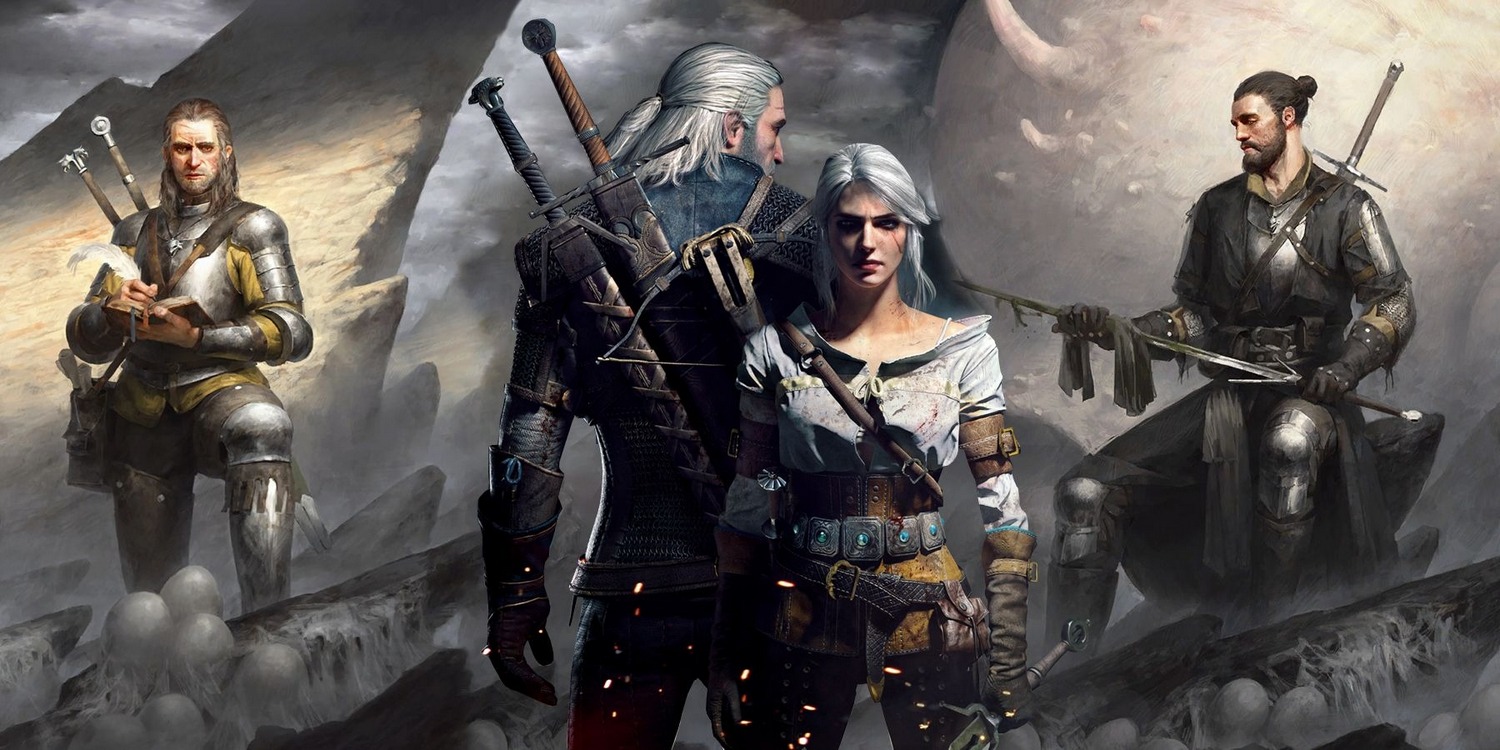
Since its monumental release, CD Projekt Red’s The Witcher 3: Wild Hunt has captivated millions with its expansive open world, compelling narrative, and richly drawn characters. Among its most lauded features is the nuanced approach to relationships, particularly Geralt of Rivia’s romantic pursuits. The dynamic between Geralt, the sorceress Yennefer of Vengerberg, and the fiery Triss Merigold formed a cornerstone of the emotional player experience, creating lasting discussions and strong allegiances within the gaming community. Yet, behind the scenes, the intricate web of romance almost looked profoundly different, a testament to the complex and often challenging realities of AAA game development.
Understanding the genesis of these pivotal narrative choices offers crucial insight into the creative process and the iterative nature of crafting a game of such scale. Developers frequently grapple with balancing grand ambitions against practical constraints, leading to design evolutions that significantly alter the player’s journey. This deep dive explores the potential alternate paths for Geralt’s love life and the implications these scrapped elements might have had on one of the most beloved fantasy RPGs of all time.
The Original Vision: A More Expansive, Potentially Complicated Love Life for Geralt
While the final game offers a meticulously crafted storyline centered around Yennefer and Triss, with consequences for attempting to romance both, early development insights and developer anecdotes suggest a far broader, and perhaps more intricate, array of romantic possibilities were considered. The initial conceptualization for The Witcher 3 aimed for an unprecedented level of player agency and branching narratives, a characteristic ambition of the studio. This extended not only to major quest lines but also to personal relationships, including the witcher’s romantic escapades.
Reports and scattered interviews indicate that CD Projekt Red explored designs that might have involved more deeply integrated relationships with a wider cast of characters, potentially offering unique side quests, deeper narrative ramifications, and even more significant impacts on Geralt’s journey beyond the core love triangle. Imagine a system where brief encounters with minor characters could blossom into more substantial dalliances, each with its own set of moral choices and potential to alter the perception of Geralt within various communities or even influence the availability of certain resources or allies.
Furthermore, discussions hinted at a more organic, less structured approach to romance, where player actions and dialogue choices across hundreds of hours could subtly steer Geralt towards various partners, rather than specific, designated quest lines. This ambitious design philosophy sought to create a truly emergent narrative, where every interaction, no matter how small, contributed to Geralt’s romantic destiny. Such a system, while immensely appealing from a role-playing perspective, presented formidable technical and narrative challenges.
The Crucible of Development: Why Ambitious Ideas Evolve or Are Scaled Back
The transition from a bold conceptual idea to a shippable product is often fraught with difficult decisions, especially for a game as ambitious as The Witcher 3: Wild Hunt. The sheer scope of its open world, the complexity of its combat mechanics, and the depth of its storytelling demanded significant resources and meticulous planning. Implementing an extremely open-ended and highly reactive romance system across dozens of potential characters, each requiring unique dialogue, quest branches, and character models, would have exponentially increased the development workload.
- Technical Hurdles: Crafting a robust system that tracks player choices and dynamically adjusts relationships in a sprawling world poses immense programming challenges. Ensuring consistency across hundreds of hours of gameplay without introducing bugs or narrative inconsistencies is a monumental task.
- Narrative Cohesion: While variety is appealing, maintaining a compelling overarching narrative with too many diverging romantic paths can dilute the core story. The intense emotional investment players have in Yennefer and Triss is partly due to the focused attention their relationships receive within the main plot.
- Time and Budget Constraints: Even for a studio as well-resourced as CD Projekt Red, development cycles have limits. Allocating resources to infinitely branching romance options might have meant compromising other crucial aspects of the game, such as world design, monster variety, or core combat systems.
- Creative Focus: Sometimes, scaling back on one aspect allows other elements to shine more brightly. By focusing on the existing love triangle, the developers were able to imbue those relationships with incredible depth, emotional weight, and memorable quests, making them truly impactful for players.
The decision to streamline the romance options was likely a pragmatic one, aimed at ensuring the highest quality for the most impactful narrative arcs. It allowed the team to pour significant effort into making Yennefer and Triss compelling characters with rich backstories and believable chemistry with Geralt, resulting in some of the most memorable character interactions in modern RPGs.
The Impact of the Finalized Romance System on Player Experience and Legacy
Despite the grander, potentially more complex designs that were left on the cutting room floor, the finalized romance system in The Witcher 3: Wild Hunt proved to be a resounding success. The choice between Yennefer and Triss became a defining aspect of the game for many players, fueling countless debates and fostering deep emotional connections. The consequences of these choices, particularly the humorous and telling outcome of attempting to romance both, showcased CD Projekt Red’s commitment to player agency and narrative integrity.
- Emotional Investment: The focused nature of the primary romantic options allowed for unparalleled character development and emotional depth, making players truly care about Geralt’s decisions.
- Replayability: The distinct paths offered by Yennefer and Triss provide a strong incentive for multiple playthroughs, allowing players to explore different narrative outcomes and personal connections.
- Critical Acclaim: Reviewers and players alike lauded the sophisticated portrayal of mature relationships, moving beyond simplistic ‘good’ or ‘bad’ choices to explore complex emotional landscapes. This contributed significantly to the game’s universal critical acclaim and its numerous ‘Game of the Year’ awards.
- Community Engagement: The passionate discussions and ‘Team Yennefer’ vs. ‘Team Triss’ debates within the gaming community are a testament to the success of the implemented system. These discussions keep the game relevant and engaging years after its release, showcasing its enduring impact on the gaming industry.
The romance in The Witcher 3 is not just a side mechanic; it is interwoven with Geralt’s personal journey, his identity, and his relationship with the world around him. This profound integration ensures that every decision regarding his heart carries significant weight, elevating the game beyond a simple monster-slaying adventure to a deeply personal narrative experience.
Lessons for Future RPGs and the Pursuit of Immersive Storytelling
The evolution of The Witcher 3’s romance system provides valuable insights for developers aiming to craft deeply immersive open-world RPGs. It highlights the delicate balance between ambitious design and practical execution, demonstrating that sometimes, focus and refinement can yield more impactful results than sheer breadth of options.
- Prioritize Depth Over Breadth: While expansive options are appealing, investing deeply in a few meaningful relationships can create more resonant experiences than a multitude of shallow ones.
- Consequences are Key: Player choices, especially in romance, gain significance when they have tangible and believable consequences, reinforcing the feeling of agency and ownership over the narrative.
- Character-Driven Narrative: Strong, well-written characters are the foundation of any compelling romance. Their motivations, flaws, and chemistry with the protagonist are paramount.
- Iterative Design: Game development is an iterative process. Being willing to refine, scale back, or even scrap features in pursuit of overall quality is often necessary for achieving critical and commercial success in the highly competitive premium gaming content market.
As the gaming landscape continues to evolve, pushing the boundaries of interactive storytelling and next-gen RPG experiences, the lessons learned from the development of The Witcher 3 remain incredibly pertinent. The desire for a more ‘different’ romance system points to an ongoing aspiration within game design: to create worlds where every player decision, especially those of the heart, truly matters and feels authentically their own.
Conclusion: A Love Story Perfectly Told, Despite Its Winding Path
The Witcher 3: Wild Hunt stands as a towering achievement in the world of video games, not least for its masterfully crafted relationships. The journey from a potentially vastly different romance system to the one we know and love today is a fascinating glimpse into the intricate dance between creative vision and developmental realities. What emerged was not just a powerful love triangle, but a benchmark for how player choice and narrative depth can elevate an RPG to legendary status.
Ultimately, the decisions made during development led to a romance system that, while perhaps narrower in scope than initially envisioned, was undeniably richer, more impactful, and perfectly aligned with Geralt’s established character and the overarching themes of the Witcher saga. It’s a testament to CD Projekt Red’s skill that even the ‘road not taken’ in romance design paved the way for one of gaming’s most unforgettable emotional journeys, solidifying its place as a definitive critically acclaimed video game and a touchstone for immersive storytelling.