
Star Wars Meets Cosmic Horror: The Acolyte’s Lovecraftian Inspiration and its Profound Impact on Gaming Narrative




Popular Now
 Roblox
 Genshin Impact
 NBA 2K24
 League of Legends
 Candy Crush Saga
 Among Us
 Geometry Dash
 Free Fire
 Brawl Stars
 BeamNG.drive
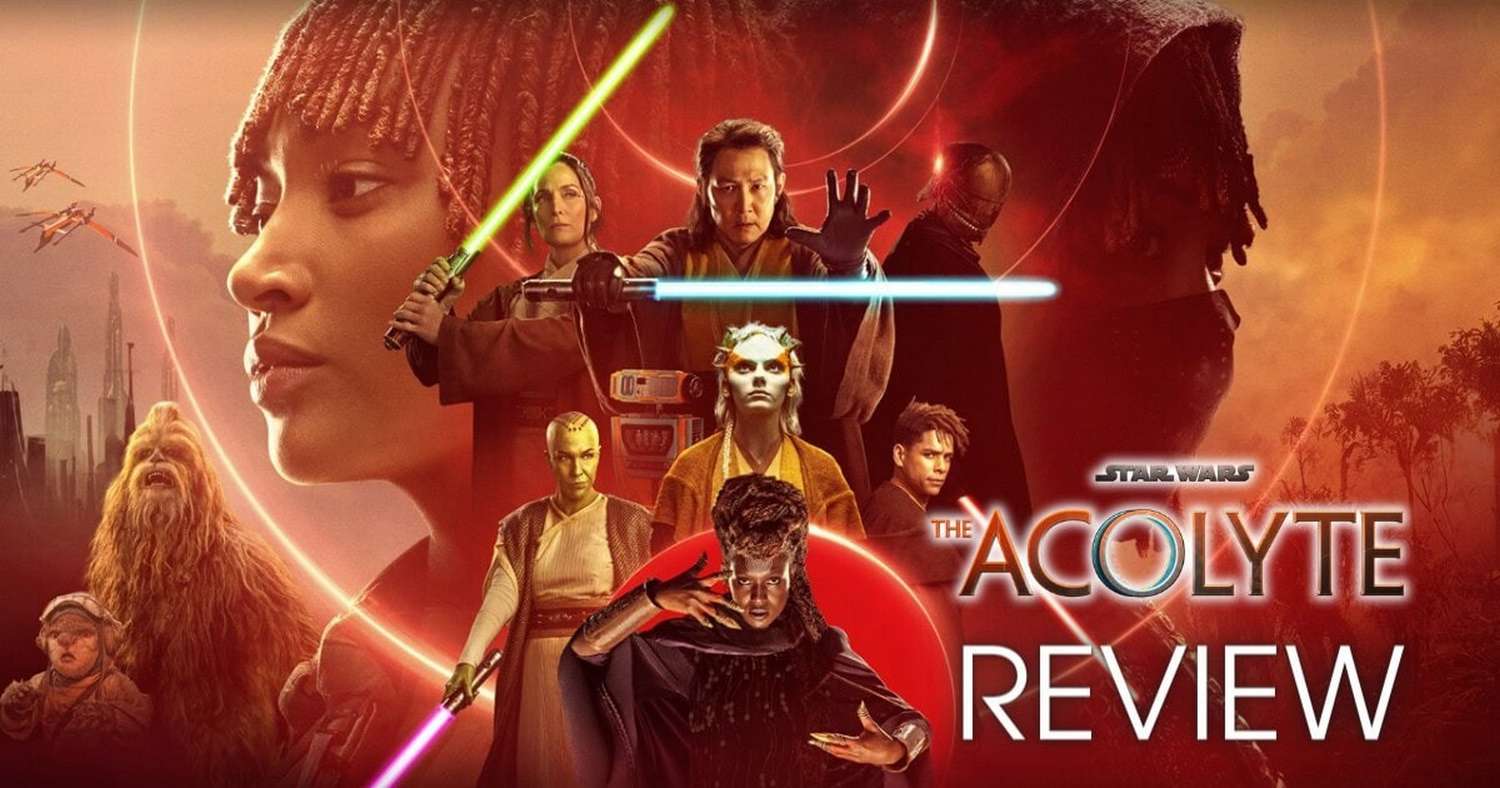 Unveiling the Cosmic Dread in a Galaxy Far, Far Away
The Star Wars universe has always been a tapestry woven with threads of epic fantasy, thrilling space opera, and profound mythology. Yet, with the advent of its newest live-action series, The Acolyte, Disney+ has boldly ventured into a territory rarely explored within its beloved canon: the chilling depths of Lovecraftian horror. This groundbreaking creative decision, hinting at ancient, unknowable entities and a more profound, unsettling aspect of the Force, marks a significant thematic evolution for the franchise and carries fascinating implications for future gaming narrative and game development.
Showrunner Leslye Headland has openly discussed the influence of cosmic horror, H.P. Lovecraft’s signature genre, on the series. This isn’t merely about jump scares or grotesque monsters; it’s about the existential dread of confronting forces beyond human comprehension, where sanity itself is a fragile commodity. For a franchise often rooted in clear-cut good versus evil, this shift into ambiguous, terrifying cosmic threats represents a sophisticated expansion of its storytelling toolkit, providing fertile ground for analysis and speculation, especially regarding its potential influence on future Star Wars games.
The Essence of Lovecraftian Horror in a Star Wars Context
What exactly defines Lovecraftian horror, and how does it manifest within the opulent universe of Star Wars? At its core, Lovecraft’s work revolves around the insignificance of humanity in the face of vast, indifferent cosmic entities. Themes include:
- The Unknowable: Entities and forces that defy rational explanation, operating on scales and motives beyond human comprehension.
- Existential Dread: The terrifying realization of one’s own insignificance in a vast, uncaring cosmos.
- Forbidden Knowledge: The pursuit of truths that lead to madness or destruction.
- Subtle Horror: A creeping sense of unease and dread, rather than overt gore or jump scares.
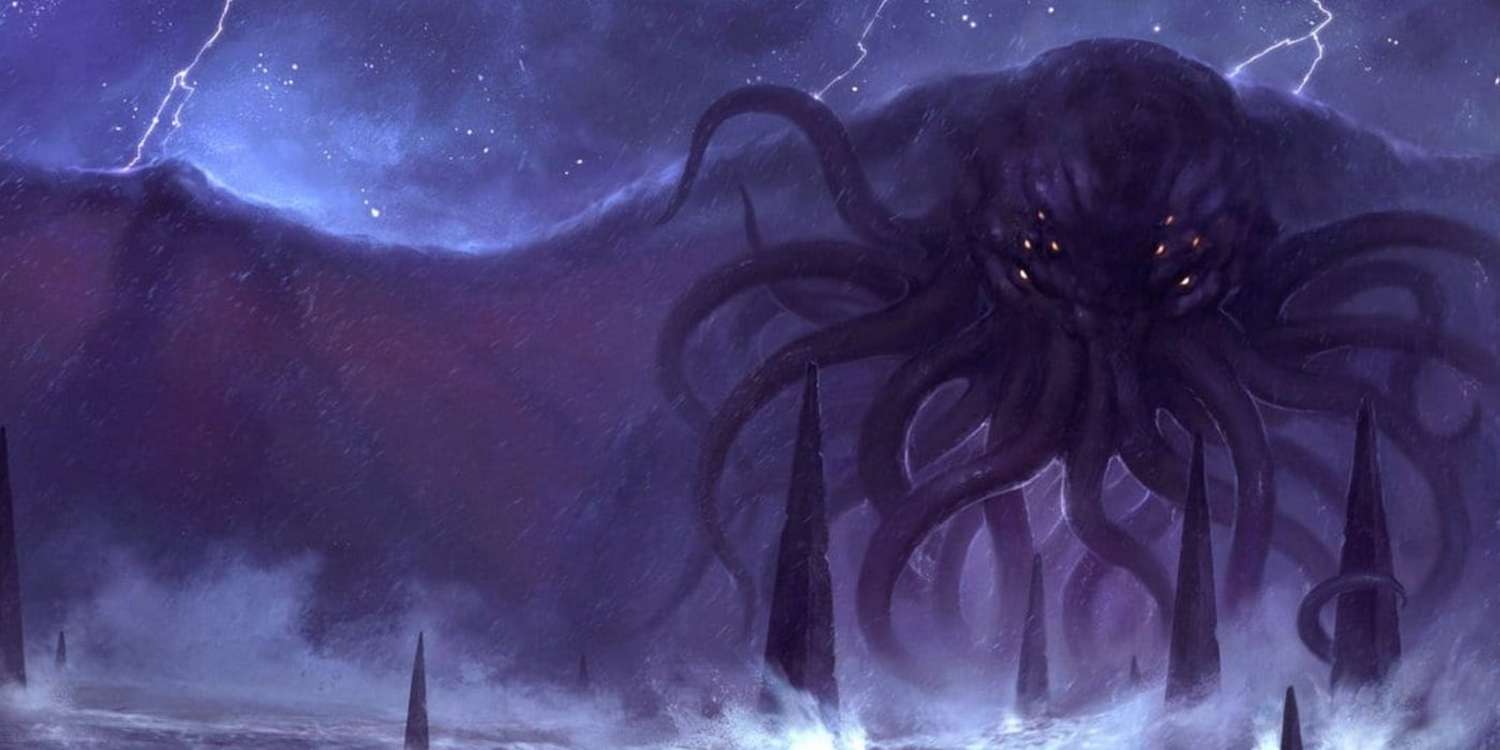
In The Acolyte, this manifests through veiled threats, ancient powers lurking in the shadows of the High Republic era, and the subversion of traditional Force dynamics. Rather than a Force that neatly divides into light and dark, the show reportedly explores aspects that are more primal, more ancient, and far more terrifying – perhaps even predating the Jedi and Sith orders as we know them. This exploration offers an unprecedented opportunity for Lucasfilm to delve into the deepest, darkest corners of its lore, creating a rich narrative canvas that appeals to a broader audience, including fans of mature, complex storytelling and horror gaming experiences.
Previous Forays into Darkness: Star Wars and its Horror Lineage
While The Acolyte takes a bolder step, Star Wars isn’t entirely a stranger to horror. Moments of genuine unease and terror have punctuated its history:
- The terrifying creatures of Dagobah, particularly the Dark Side cave’s psychological torment in The Empire Strikes Back.
- The zombie-like plague in the Legends novel Death Troopers, a cult classic for horror fans.
- The sinister aesthetic and overwhelming power of Emperor Palpatine and Snoke.
- The psychological manipulation and monstrous forms encountered in the Mortis arc of The Clone Wars.
However, these instances were often episodic or confined to non-canon material. The Acolyte appears to be integrating cosmic horror into the very fabric of its premise, focusing on a period rich with mystery and the burgeoning power of the Dark Side before the Galactic Empire’s rise. This dedication to a darker, more ambiguous tone provides a fresh perspective and opens new avenues for exploring the Star Wars mythos, proving that the franchise isn’t afraid to evolve beyond its established tropes and cater to diverse audience preferences in digital entertainment.
The Transformative Influence on Star Wars Gaming and Narrative Design
The embrace of Lovecraftian themes in The Acolyte holds profound implications for the future of Star Wars video games and game development trends. Historically, Star Wars games have often focused on Jedi power fantasies, large-scale battles, or intricate role-playing game (RPG) narratives rooted in the light vs. dark dichotomy. However, the success of titles like Jedi: Fallen Order and Survivor has shown an appetite for deeper, more character-driven stories.
A Lovecraftian Star Wars series paves the way for a new generation of immersive gaming experiences. Imagine a Star Wars game where:
- Exploration is Dangerous: Players explore ancient, forgotten temples or uncharted planets, not just for loot, but for forbidden knowledge that slowly erodes their sanity, reminiscent of games like Eternal Darkness: Sanity’s Requiem or Call of Cthulhu.
- Enemies are Truly Terrifying: Instead of predictable stormtroopers or droids, players face entities whose motivations are alien, whose forms defy easy classification, and whose powers threaten more than just physical well-being. This could lead to genuinely chilling creature designs and enemy encounters, elevating the gameplay mechanics beyond simple combat.
- Moral Ambiguity Reigns: Choices might not be about light or dark, but about preserving sanity, understanding the incomprehensible, or making sacrifices that have unsettling cosmic repercussions. This introduces a complex layer to RPG elements and decision-making, appealing to fans of games with profound ethical dilemmas.
- Atmospheric Horror Dominates: Developers could leverage unsettling sound design, environmental storytelling, and psychological pressure to build tension, creating a truly unique Star Wars game that focuses on survival and discovery in the face of overwhelming odds, similar to critically acclaimed horror titles like Alien: Isolation or Dead Space.
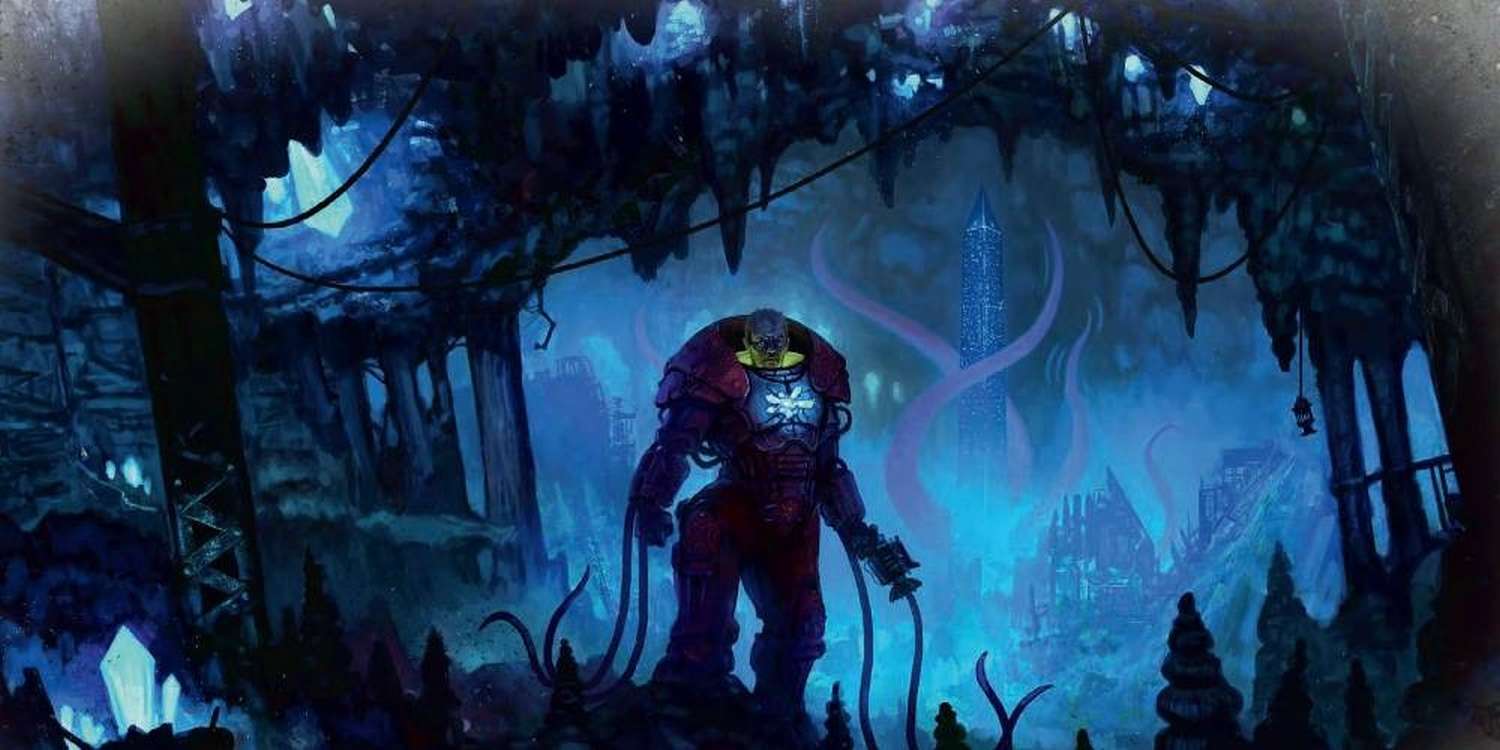
This thematic shift presents an incredible opportunity for game studios to innovate. Developers could explore new gameplay loops, implement sanity mechanics, or focus on non-combat solutions to cosmic threats. The narrative possibilities are endless, moving beyond traditional hero’s journeys to tales of cosmic terror and the fragility of free will. This not only broadens the appeal of Star Wars gaming but also enriches the entire franchise expansion by offering diverse storytelling experiences that resonate with a wider demographic of gamers and critics.
SEO and High-CPC Keyword Synergy: Tapping into Niche and Mainstream Audiences
From an SEO perspective, the fusion of Star Wars with Lovecraftian horror is a stroke of genius. It allows content creators and marketers to tap into multiple high-value search queries:
- Star Wars Content: Leveraging the immense popularity of the main brand.
- Lovecraftian Horror Games: Targeting a passionate, dedicated niche audience.
- New Sci-Fi Horror: Attracting fans of speculative fiction and mature themes.
- Game Development Insights: Drawing in industry enthusiasts and aspiring creators.
- Disney+ Streaming Trends: Capitalizing on current digital entertainment discussions.
- Best Narrative Games: Appealing to players seeking rich, immersive stories.