
MotorStorm’s Revival: Can PlayStation’s Iconic Arcade Racer Conquer Modern Gaming or Just Ride on Nostalgia?








Popular Now
 Minecraft
Genshin Impact
Roblox
Minecraft
Genshin Impact
Roblox
 R.E.P.O
 FIFA 23
 Candy Crush Saga
 Auto X Drift Racing 3
 Gacha Club
 Schedule I
Geometry Dash
Schedule I
Geometry Dash
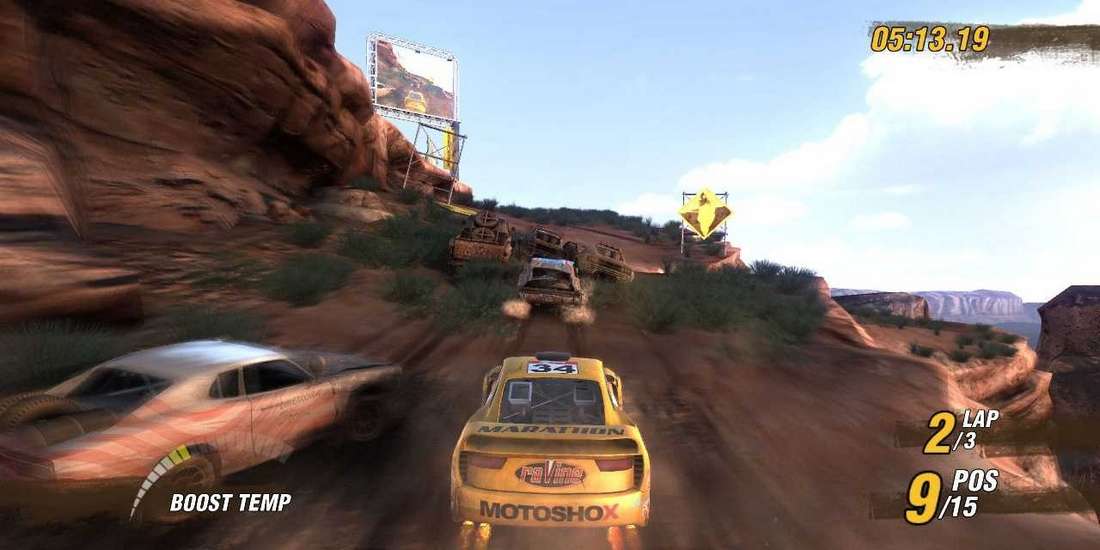 The gaming world is perpetually buzzing with rumors and anticipation for the return of beloved franchises. Among PlayStation’s storied history of groundbreaking titles, a particular roar from the past echoes loudly: MotorStorm. This iconic arcade racing series, known for its chaotic off-road action, diverse vehicle classes, and destructible environments, captivated a generation of PlayStation 3 owners. But in an era dominated by hyper-realistic simulations and expansive open-world experiences, the looming question for any potential revival is stark: can nostalgia alone carry a franchise, or does it demand significant innovation to thrive in the modern gaming landscape?
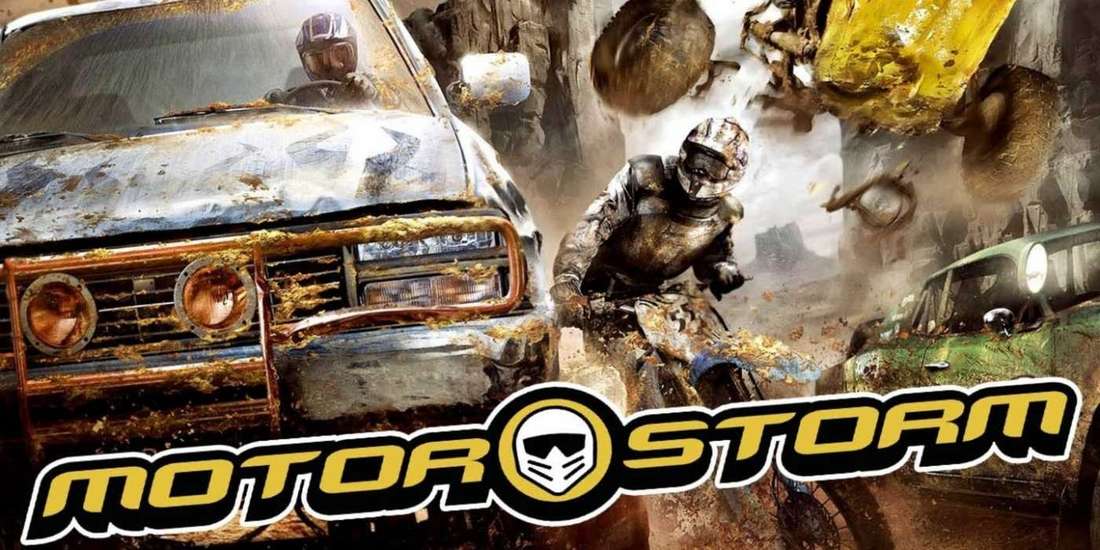
First launched in 2006 as a PlayStation 3 exclusive, MotorStorm quickly established itself with its unique festival atmosphere and adrenaline-fueled, multi-vehicle races across treacherous terrains. The series carved out a distinct niche, offering a visceral, high-octane alternative to more traditional racing simulations. Titles like MotorStorm: Pacific Rift and MotorStorm: Apocalypse pushed the boundaries further, introducing dynamic environments and even more catastrophic events, cementing its place as a PlayStation staple. The sheer joy of seeing buggies, bikes, trucks, and ATVs all vying for supremacy on the same track, with mud flying and metal crumpling, was a gaming experience few could replicate.
The Weight of Expectation: Navigating Modern Gaming Trends
Bringing back a classic like MotorStorm in the current generation comes with a colossal weight of expectation. Modern gamers, accustomed to 4K resolution, ray tracing, vast open worlds, and deep customization options, demand more than just a graphical upgrade. The core gameplay loop, while thrilling in its prime, would need careful re-evaluation. Could the track design still feel fresh? Would the vehicle handling retain its arcade appeal without feeling simplistic? These are critical questions for developers considering a modern iteration.
- Graphical Fidelity vs. Stylistic Integrity: How would a new MotorStorm balance ultra-realistic visuals with the series’ signature, over-the-top destruction and vibrant art style? Striking the right balance is crucial to avoid alienating long-time fans while attracting new players.
- Gameplay Evolution: While the core concept of multi-vehicle, chaotic racing is solid, modern titles often incorporate elements like persistent progression, player choice in vehicle upgrades, and robust online competitive modes. Would a new MotorStorm lean into these trends or stick to its more focused, race-centric roots?
- Monetization Models: The gaming industry has evolved significantly with the rise of battle passes, cosmetic microtransactions, and live service elements. How would a new MotorStorm approach its monetization without succumbing to practices that might dilute the player experience or be perceived as exploitative?
The competitive landscape for racing games is also far more crowded. From the realistic simulations of Gran Turismo and Forza Motorsport to the arcade delights of Forza Horizon and Need for Speed, a potential MotorStorm revival would need to offer a truly compelling reason for players to invest their time and money. Simply relying on the good name it once built may not be enough to cut through the noise of constant releases and extensive marketing campaigns from established franchises.
 The Double-Edged Sword of Nostalgia: Friend or Foe?
Nostalgia is a powerful force in the entertainment industry. It can draw immense attention and generate significant pre-release buzz, often leading to strong initial sales based on goodwill and cherished memories. For an iconic PlayStation sports series like MotorStorm, the very mention of its name evokes a cascade of positive emotions for many gamers who grew up with the PlayStation 3.
However, nostalgia is also a double-edged sword. It creates an idealized version of the past, often through rose-tinted glasses. What felt revolutionary and exciting fifteen years ago might feel dated or simplistic today. The risk is that a new title, while faithful to its roots, fails to meet the elevated expectations of a modern audience or, worse, struggles to capture the magic that made the original so special. We’ve seen numerous reboots and remakes stumble precisely because they either clung too tightly to the past or deviated too far from it.
A successful revival, therefore, must understand what made the original great and then build upon it in meaningful ways. It’s not about replicating, but reinterpreting and enhancing. This could involve innovative multiplayer modes, deeper customization, more dynamic environmental interactions, or even a compelling single-player narrative that expands on the festival lore. The core identity must remain, but the execution needs to be contemporary and forward-thinking.
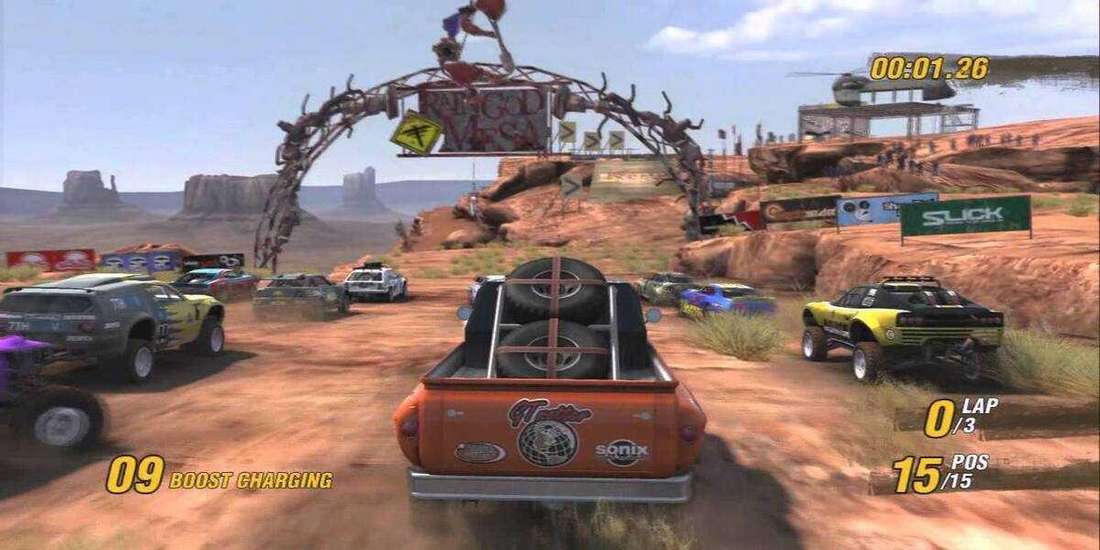 What Does a Successful MotorStorm Revival Look Like?
For a resurrected MotorStorm to truly conquer the modern gaming scene and stand out as a critically acclaimed and commercially successful title, it would need to deliver on several fronts:
- Bold Innovation in Core Mechanics: The multi-vehicle concept needs to be pushed further. Imagine tracks that dynamically shift, creating new pathways and challenges mid-race, or enhanced vehicle destruction that genuinely impacts performance and strategy.
- Next-Gen Visuals with Artistic Flair: While leveraging the power of PlayStation 5 for stunning graphics and particle effects, the game must retain its unique personality and vibrant, often extreme, aesthetic.
- Robust and Engaging Online Experience: Modern competitive multiplayer is a given, but a new MotorStorm could innovate with persistent online festivals, community challenges, and seamless integration of player-created content or events.
- Respectful Expansion of Lore: Without getting bogged down in an overly complex narrative, expanding on the