Metroid Prime 4: Beyond – Unpacking the Exclusive Early Playtesting Opportunities and Their Strict Conditions










Popular Now
 BeamNG.drive
 Black Myth: Wukong
 Toca Boca World
 Among Us
 EA SPORT FC 25
The Legend of Zelda
EA SPORT FC 25
The Legend of Zelda
 Poppy Playtime
 Auto X Drift Racing 3
 Warframe
 Rust
Rust
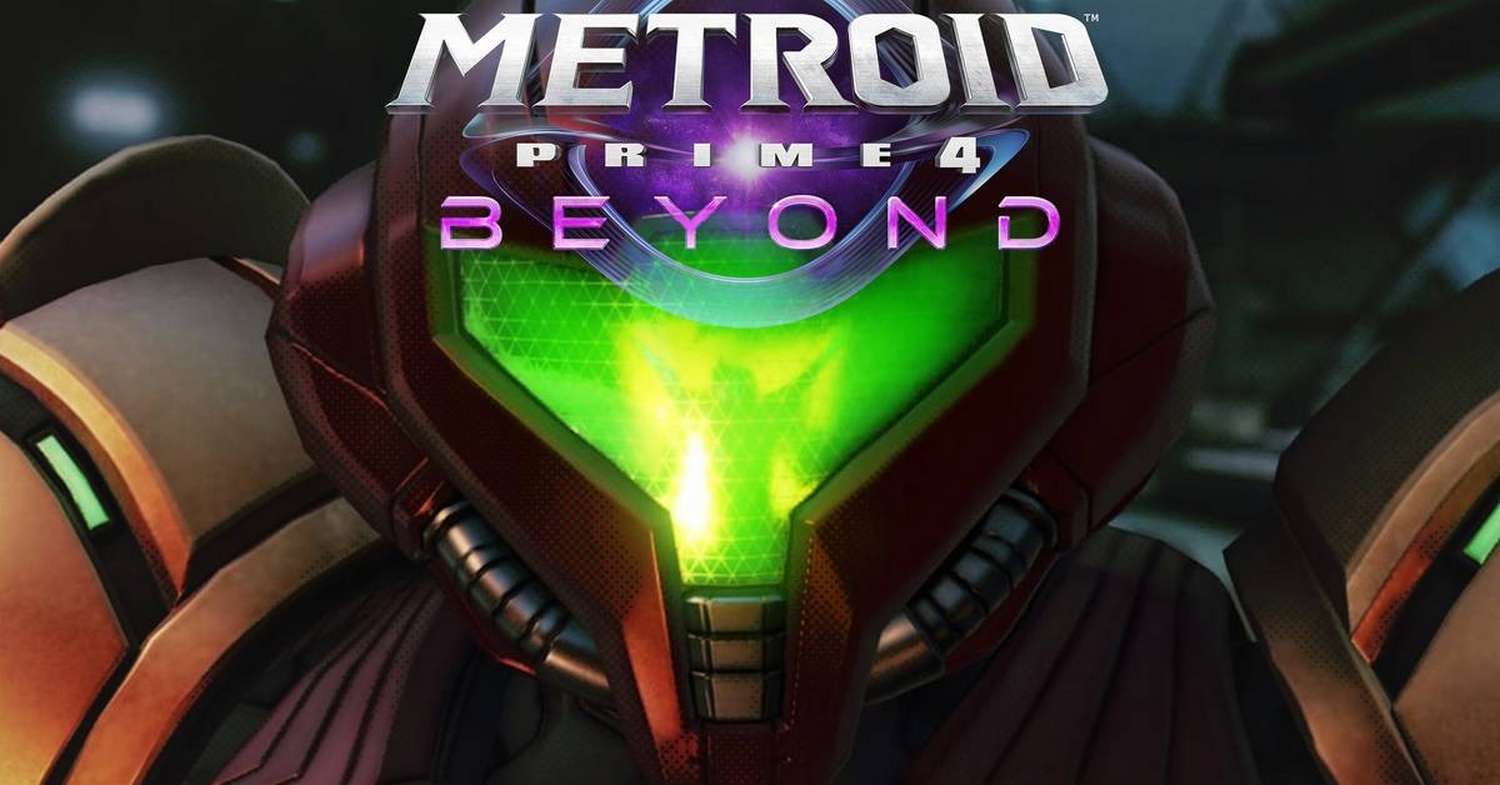 Unveiling the Exclusive: How Select Fans Might Play Metroid Prime 4: Beyond Early
The gaming world recently erupted with fervor following the re-reveal of Metroid Prime 4: Beyond, a title long shrouded in mystery and immense anticipation. Nintendo’s re-emergence with gameplay footage and a release window reignited the passion of countless fans eager to step back into the Varia Suit of Samus Aran. Amidst the excitement, whispers and confirmed reports have indicated a fascinating development: a select group of fans may have the opportunity to experience this highly anticipated game well before its official launch. This early access, however, comes with a significant catch, a condition that delineates the privileged few from the waiting masses and sheds light on the meticulous development process of such a high-profile Nintendo Switch title.
The concept of early player involvement in game development is not new. Many studios, particularly those working on complex, large-scale projects, engage in various forms of playtesting and feedback gathering. For a game as significant as Metroid Prime 4: Beyond, a flagship title for the Nintendo Switch console and a critical entry in one of Nintendo’s most revered franchises, the stakes are exceptionally high. Ensuring a polished, immersive, and bug-free experience is paramount, especially given the game’s tumultuous development history, which included a restart under Retro Studios. This renewed focus on quality assurance and player experience likely underpins the decision to involve external playtesters, even if under strict conditions.
The Genesis of Early Access: Nintendo’s Playtesting Initiatives
Nintendo, known for its rigorous secrecy and meticulous approach to game launches, rarely opens its development doors to the public. However, for titles of this magnitude, internal testing alone may not suffice. External playtesting often involves a diverse demographic of players, providing varied perspectives on gameplay mechanics, difficulty curves, user interface, and overall enjoyment. These programs are typically conducted under extremely tight non-disclosure agreements (NDAs), preventing participants from sharing any details, media, or even their participation itself, until the developer lifts the embargo. This level of secrecy is crucial for Nintendo, as it allows them to control the narrative and build hype organically towards the game’s global release.
Reports and industry speculation suggest that these early access opportunities are likely structured as private, invitation-only playtesting sessions. These could range from focused group tests at secure Nintendo facilities to remote testing programs conducted on specialized development hardware. Participants are often selected based on specific criteria, such as their experience with the Metroid series, their general gaming habits, or their ability to provide detailed, constructive feedback. The primary goal is not merely to offer a sneak peek but to harness valuable player insights that can inform final development decisions, address potential issues, and fine-tune the gameplay experience for the broadest possible audience.