
Journey to the Depths: A First-Timer’s Review of the Original Rogue (1980) and Its Enduring Legacy








Popular Now
 Candy Crush Saga
 Schedule I
 Poppy Playtime
 Rust
Rust
 Grand Theft Auto V
Call of Duty
Grand Theft Auto V
Call of Duty
 Black Myth: Wukong
 Auto X Drift Racing 3
Geometry Dash
Auto X Drift Racing 3
Geometry Dash
 Genshin Impact
 As someone deeply entrenched in the modern gaming landscape, with its photorealistic graphics, elaborate narratives, and forgiving save systems, the concept of a ‘roguelike’ always felt like a distant, almost mythical beast. My journey into this notoriously challenging genre began not with a sleek, contemporary iteration, but with its progenitor: the venerable Rogue: Exploring the Dungeons of Doom, first released in 1980. This wasn’t just a dive into a classic; it was a plunge into the very origins of a gaming philosophy, a digital archaeology expedition to understand why this specific brand of unforgiving gameplay continues to captivate and frustrate players globally. What I discovered was far more than just an old game; it was a masterclass in minimalist design, emergent storytelling, and brutal, yet profoundly rewarding, challenge.
The Historical Crucible: Understanding Rogue’s Impact on Game Design
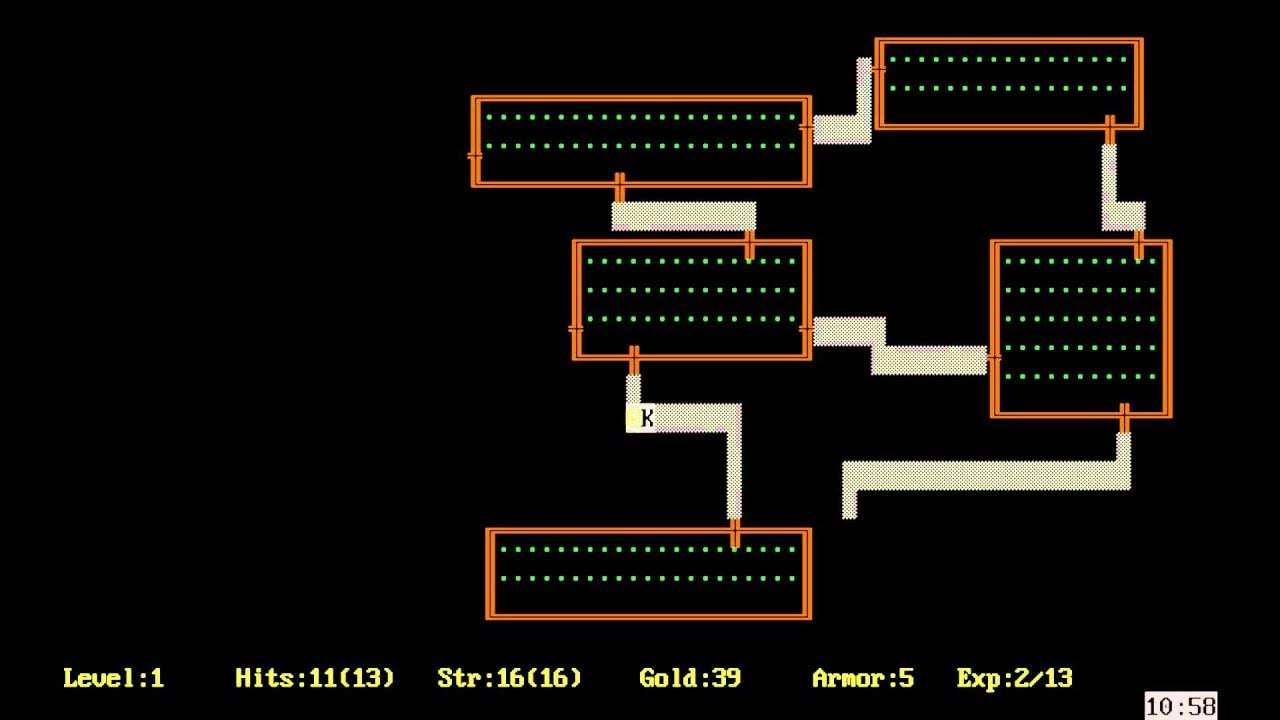
Before discussing the experience itself, it’s crucial to acknowledge Rogue’s monumental place in video game history. Developed by Michael Toy, Glenn Wichman, and Ken Arnold, *Rogue* wasn’t merely a game; it was a paradigm shift. It introduced fundamental concepts that would define an entire genre: procedurally generated dungeons, ensuring every playthrough was unique; permadeath, meaning one wrong move could erase hours of progress; and a stark, yet effectively functional, ASCII graphical interface. These elements, combined with its turn-based tactical combat and item identification mysteries, forged a reputation for being exceptionally difficult, yet endlessly replayable. For a newcomer like myself, understanding this historical weight made the initial encounter even more daunting, highlighting its importance in the broader context of PC gaming innovation and classic game design principles.
 Culture Shock and Cryptic Commands: My First Foray into the Dungeons
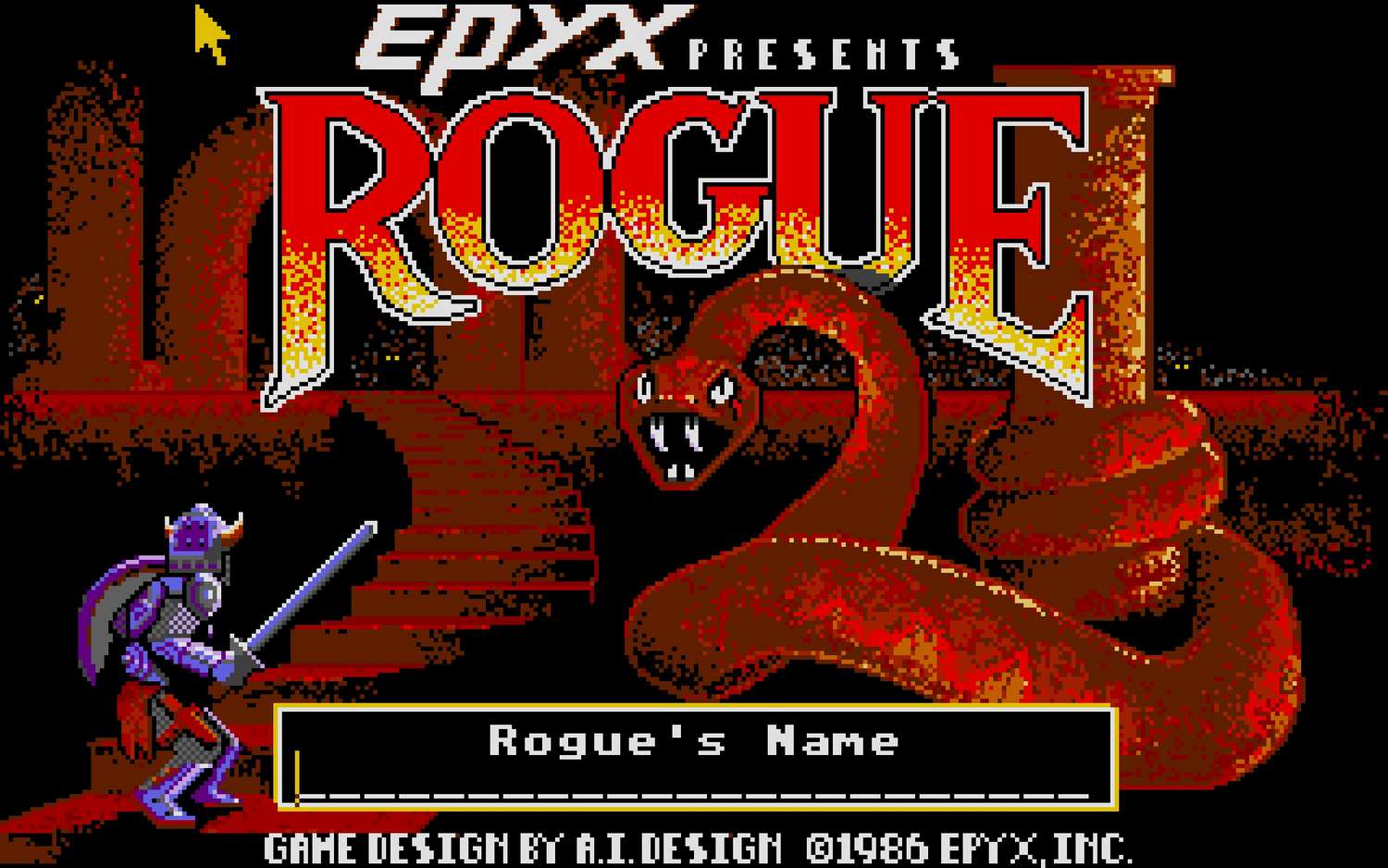
My first moments with Rogue were, predictably, a profound culture shock. The screen presented a monochrome landscape of characters: ‘@’ for my adventurer, ‘D’ for a dragon, ‘.’ for floors, ‘#’ for walls. There were no elaborate tutorials, no clear quest markers, just a terse command prompt. The learning curve was less a curve and more a sheer cliff face. I instinctively pressed arrow keys, only to realize movement was tied to specific keyboard commands or numpad directions – a vestige of early computing interfaces. Identifying items required consuming precious resources (scrolls of identify, potions of identify) or risking their unknown effects, often with disastrous consequences. My initial runs were laughably short, characterized by accidental self-poisoning, starvation, or being summarily dispatched by a bat in what felt like the second room. This brutal introduction quickly cemented the game’s reputation for uncompromising difficulty and truly challenging gameplay, making it an intimidating entry point for a modern gamer accustomed to hand-holding.
Unpacking Core Mechanics: The Pillars of Roguelike Gameplay
The true genius of Rogue lies not just in its individual mechanics, but how they interlock to create a cohesive, challenging whole. These elements set the foundation for countless future games:
- Procedural Generation for High Replayability: Each new game throws you into a fresh dungeon layout, complete with randomized monster placements, trap locations, and item drops. This wasn’t just a novelty; it was the game’s lifeblood, offering unparalleled replayability. Modern games often struggle to deliver this level of genuine unpredictability. In *Rogue*, every single descent into the dungeon felt genuinely new, forcing constant adaptation and strategic reassessment rather than rote memorization. This core mechanic ensures every ‘gaming experience’ is unique.
- Permadeath: The Ultimate Stakes: Perhaps the most defining, and initially frustrating, feature is permadeath. The concept that every single action carries weight, and one misstep means starting entirely from scratch, is both terrifying and exhilarating. It cultivates an extreme sense of caution and strategic planning. Losing a character after hours of careful progress, laden with powerful artifacts, is gut-wrenching. Yet, paradoxically, it also fosters a unique kind of resilience. Each death becomes a lesson, an opportunity to refine tactics and approaches. This unforgiving nature is precisely what creates the high stakes and deep engagement that defines the genre, offering a profound sense of ‘player progression’ through accumulated knowledge.
- Turn-Based Strategy for Tactical Depth: Unlike the frenetic pace of many contemporary action RPGs, Rogue’s turn-based combat demands deliberate thought. Every movement, every attack, every item use is a distinct turn. This allows for careful consideration of enemy positioning, resource management, and escape routes. It transforms simple dungeon crawling into a complex tactical puzzle. Understanding when to engage, when to flee, and when to use a precious scroll of teleportation became critical survival skills. This strategic depth is a cornerstone of its lasting appeal for players who appreciate thoughtful, measured gameplay over quick reflexes, making it a powerful testament to thoughtful game review principles.
- Item Identification and Resource Management: Beyond combat, the game’s intricate item system is a constant source of tension. Potions, scrolls, and weapons are initially unknown. Is that a ‘potion of extra healing’ or ‘potion of poison’? Is this ‘scroll of monster confusion’ or ‘scroll of teleportation’? The risk-reward balance in identifying these items creates moments of triumph and despair. Combined with a constantly ticking hunger clock, managing inventory space, gold, and health becomes a meticulous balancing act. Every resource is vital, and wasteful expenditure often leads to an early demise, pushing the player to master meticulous ‘resource management’.
The Roguelike Philosophy: More Than Just a Game
Playing Rogue isn’t just about winning; it’s about the journey, the incremental knowledge gained through repeated failures, and the stories generated by unpredictable circumstances. It’s a game that respects player intelligence and punishes carelessness without apology. It instills a sense of genuine accomplishment when you manage to navigate its treacherous depths. This philosophy — of constant challenge, emergent narratives, and the ultimate test of strategic adaptation — is why the term ‘roguelike’ became synonymous with a specific, beloved style of game, influencing countless titles across decades. It’s a powerful testament to robust game design that still resonates, defining a genre built on the thrill of the unknown and the agony of defeat, yet driving players forward for another attempt.
 Enduring Legacy and Modern Echoes: Rogue’s Timeless Influence
Even after forty years, Rogue’s influence is undeniable. Its core tenets — procedural generation, permadeath, and resource scarcity — have been refined, iterated upon, and integrated into a vast ecosystem of modern games, many of which are critically acclaimed. Titles like *Hades*, *Slay the Spire*, *Dead Cells*, and *The Binding of Isaac* are direct descendants, often referred to as ‘roguelites’, taking Rogue’s foundational concepts and layering on contemporary graphics, elaborate narratives, and refined user interfaces. These ‘roguelites’ have made the genre accessible to a wider audience, but the spirit of the original remains vibrant within them. Experiencing *Rogue* firsthand provides invaluable insight into the roots of these beloved modern classics and the timeless principles of engaging game design. It highlights how powerful gameplay mechanics can transcend graphical limitations and technological advancements, proving its status as a timeless piece of retro gaming and a blueprint for future indie games.
Conclusion: A Novice’s Triumph and Enduring Admiration for a Classic
My initial foray into the original Rogue (1980) was far from a casual gaming session; it was an education. It was frustrating, bewildering, and utterly captivating. It taught me patience, strategic thinking, and the beauty of minimalist design. For any gamer curious about the origins of one of gaming’s most enduring genres, or simply looking for a profound challenge that strips away modern conveniences, *Rogue* remains an essential experience. It’s a testament to its creators’ foresight that a game conceived on arcane systems still offers such a potent, thought-provoking, and ultimately rewarding experience. It solidified my understanding of why roguelikes continue to thrive: they aren’t just games; they are journeys of relentless discovery and self-improvement, where every ‘Game Over’ is just another beginning. This classic gaming experience is a must for anyone appreciating the roots of modern interactive entertainment.