
Hollow Knight: Silksong — An Exclusive First Look Resets Expectations for the Indie Masterpiece








Popular Now
 Grand Theft Auto V
 Free Fire Max
 Garena Free Fire: Kalahari
 Stumble Guys
 Free Fire
 Toca Boca World
 Minecraft
 Sonic the Hedgehog™ Classic
 EA SPORT FC 25
 Poppy Playtime
 The anticipation surrounding Hollow Knight: Silksong has been a constant hum within the gaming community, a crescendo building since its initial reveal. As a fervent admirer of the original Hollow Knight, I approached a recent, exclusive one-hour demo with a blend of reverence and skepticism, wondering if Team Cherry could truly recapture the magic while forging a new path. What transpired during that hour was nothing short of transformative; my deeply entrenched expectations for this highly anticipated sequel were not just met, but profoundly reset, pointing towards a game that is both familiar and startlingly fresh.
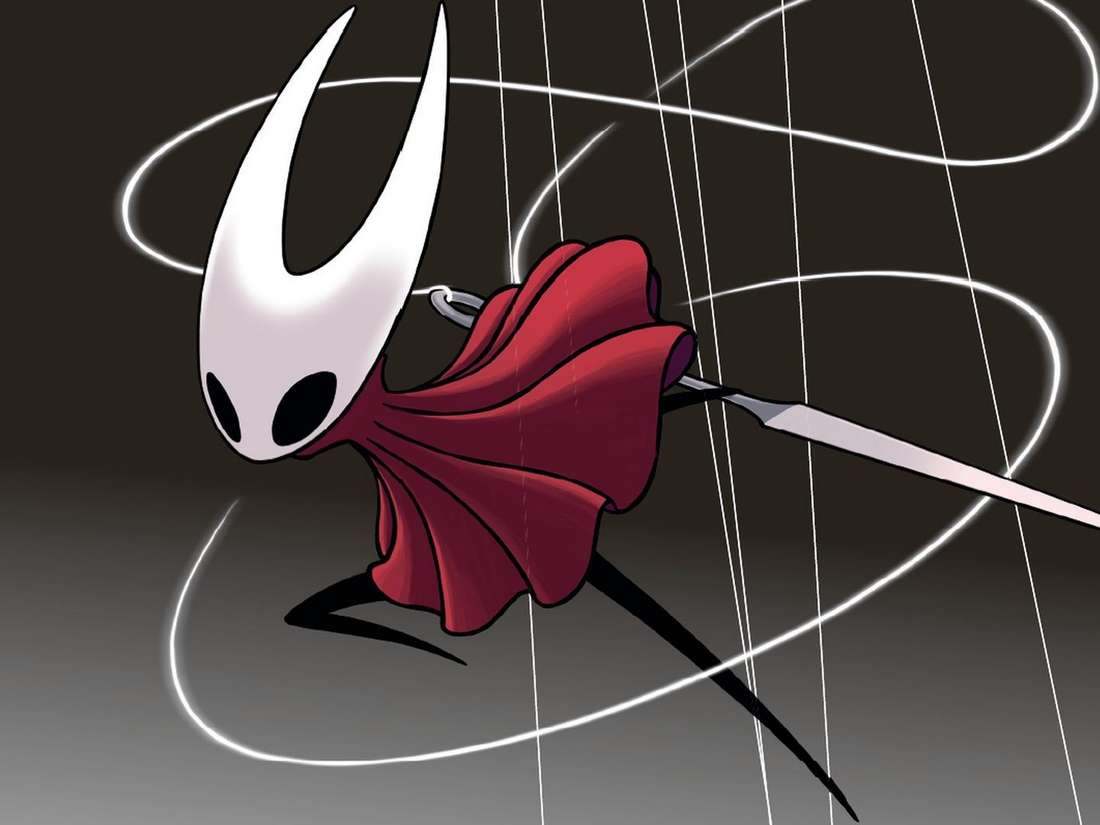
From the moment the demo began, it was clear that Silksong is not merely an expansion or a re-skin of its predecessor. Starring Hornet, the formidable protector of Hallownest, the game immediately establishes a different rhythmic pulse. Hornet’s inherent agility and dynamic movement set the stage for an experience that feels significantly faster and more acrobatic. Her core kit, including her iconic silk dash and thread-based traversal, encourages a far more aggressive and vertical approach to combat and exploration. This fundamental shift in the protagonist’s mechanics instantly signals a divergence from the Knight’s more grounded, deliberate combat style. The emphasis on aerial maneuvers and quick, precise strikes through her needle and silk adds a layer of intricate ballet to every encounter, demanding a refined understanding of spacing and timing.
Hornet’s New Arsenal and Fluid Combat
One of the most striking revelations of my playthrough was the depth of Hornet’s combat system. Unlike the Knight’s reliance on Nails and Charms, Hornet wields a versatile array of tools crafted from her silk, each serving distinct purposes. The demo provided access to several of these, including a healing ability that felt quicker and more integrated into the flow of battle, requiring less commitment than the Knight’s focus. Furthermore, her ability to bind enemies with silk or create temporary platforms opens up unprecedented tactical possibilities. This isn’t just about damage output; it’s about crowd control, environmental manipulation, and strategic disengagement. The encounters I faced, from nimble smaller foes to imposing mini-bosses, felt specifically designed to leverage Hornet’s unique skillset, pushing players to think vertically and react with lightning speed. The sheer fluidity of movement combined with impactful attacks provides a rush that elevates the Metroidvania genre experience, making every skirmish feel like a high-stakes dance.
My expectations of encountering the same sense of dread and vulnerability that defined the Knight’s journey were immediately challenged. While the world of Pharloom is undeniably perilous and filled with its own brand of grotesque beauty, Hornet’s prowess imbues the player with a newfound sense of capability. This doesn’t detract from the challenge; if anything, it intensifies it, as the game’s adversaries are equally adept at exploiting open ground and challenging aerial supremacy. Mastering Hornet’s extensive toolkit feels like a deeper, more rewarding progression system than simply upgrading a weapon or finding a new charm slot. It’s a complete re-evaluation of how character progression and player skill intertwine in a platforming action game.
 Pharloom’s Vertical Majesty and Environmental Storytelling
The new kingdom of Pharloom itself is a breathtaking departure from the decaying grandeur of Hallownest. The portion I explored was characterized by towering spires, intricate clockwork mechanisms, and vibrant, almost living, flora. The sense of verticality is paramount, with platforms and hidden paths sprawling both upwards and downwards, inviting a different kind of exploration. This verticality isn’t just aesthetic; it’s intrinsically linked to gameplay, requiring precision platforming and smart use of Hornet’s climbing and leaping abilities. The environmental storytelling remains as masterful as ever, with every nook and cranny hinting at a rich, untold history. Strange new insect species, intricate ruins, and enigmatic machinery tell a silent tale of a kingdom besieged by a mysterious affliction, different yet equally compelling as the one plaguing Hallownest.
- Expanded World Design: Pharloom feels less like a series of interconnected caverns and more like a vast, multi-layered vertical world, full of secrets waiting to be unearthed.
- Unique Biomes: Even within my limited playtime, I traversed distinctly different biomes, each with its own aesthetic, enemy types, and environmental hazards.
- Subtle Narrative Cues: The lore, presented through background details and cryptic inscriptions, continues to be a highlight, promising a deep narrative for the full gameplay release.
The sound design, another hallmark of the original, is equally impressive in Silksong. The orchestral score is both haunting and exhilarating, perfectly complementing the on-screen action and atmosphere. From the subtle rustle of silk to the clang of needle on chitin, every auditory cue is meticulously crafted, drawing you deeper into Pharloom’s embrace. This dedication to immersion is a key factor in why Team Cherry continues to stand out in the competitive indie games market.
 Reframing the Metroidvania Experience
My initial expectation was for Silksong to largely mirror the structure and feel of Hollow Knight, offering more of what made the original great. However, this hour demonstrated a bolder vision. While retaining the core tenets of non-linear exploration, challenging combat, and rich lore that define the Metroidvania genre, Silksong boldly reinterprets them through Hornet’s perspective. The pacing feels inherently quicker, the combat more dynamic, and the emphasis on mobility opens up new design philosophies for level architects. This is not a safe sequel; it’s a confident evolution, unafraid to innovate while honoring its roots. It feels like a conscious effort to challenge long-standing conventions within the genre, proving that there’s still ample room for fresh ideas and mechanics.
This transformative experience has solidified my belief that Hollow Knight: Silksong is poised to be more than just a worthy successor; it has the potential to redefine what players expect from indie blockbusters and even AAA titles. My expectations have been reset from hoping for a ‘great game’ to anticipating a ‘genre-defining masterpiece’. The refined mechanics, stunning art, captivating world, and deep narrative hints all point towards an experience that will challenge, delight, and immerse players for countless hours. While Hollow Knight: Silksong’s release date remains a topic of fervent discussion among fans, this brief encounter has only amplified the collective excitement. For those eager for compelling new Nintendo Switch gaming, PC gaming, and Xbox Game Pass additions, keeping a close eye on further development updates for this title is highly advisable. It appears Team Cherry is meticulously crafting not just a game, but an unforgettable journey that will once again leave an indelible mark on the video game industry.