
Hill Climb Racing 3 Unleashes Real-Time Multiplayer in Strategic Soft Launch: A New Era for Mobile Physics Racers










Popular Now
 Gacha Club
Candy Crush Saga
Gacha Club
Candy Crush Saga
 CarX Street
 Toca Boca World
 Rust
Rust
 NBA 2K24
 Geometry Dash
 Valorant
Garena Free Fire: Kalahari
Valorant
Garena Free Fire: Kalahari
 Warframe
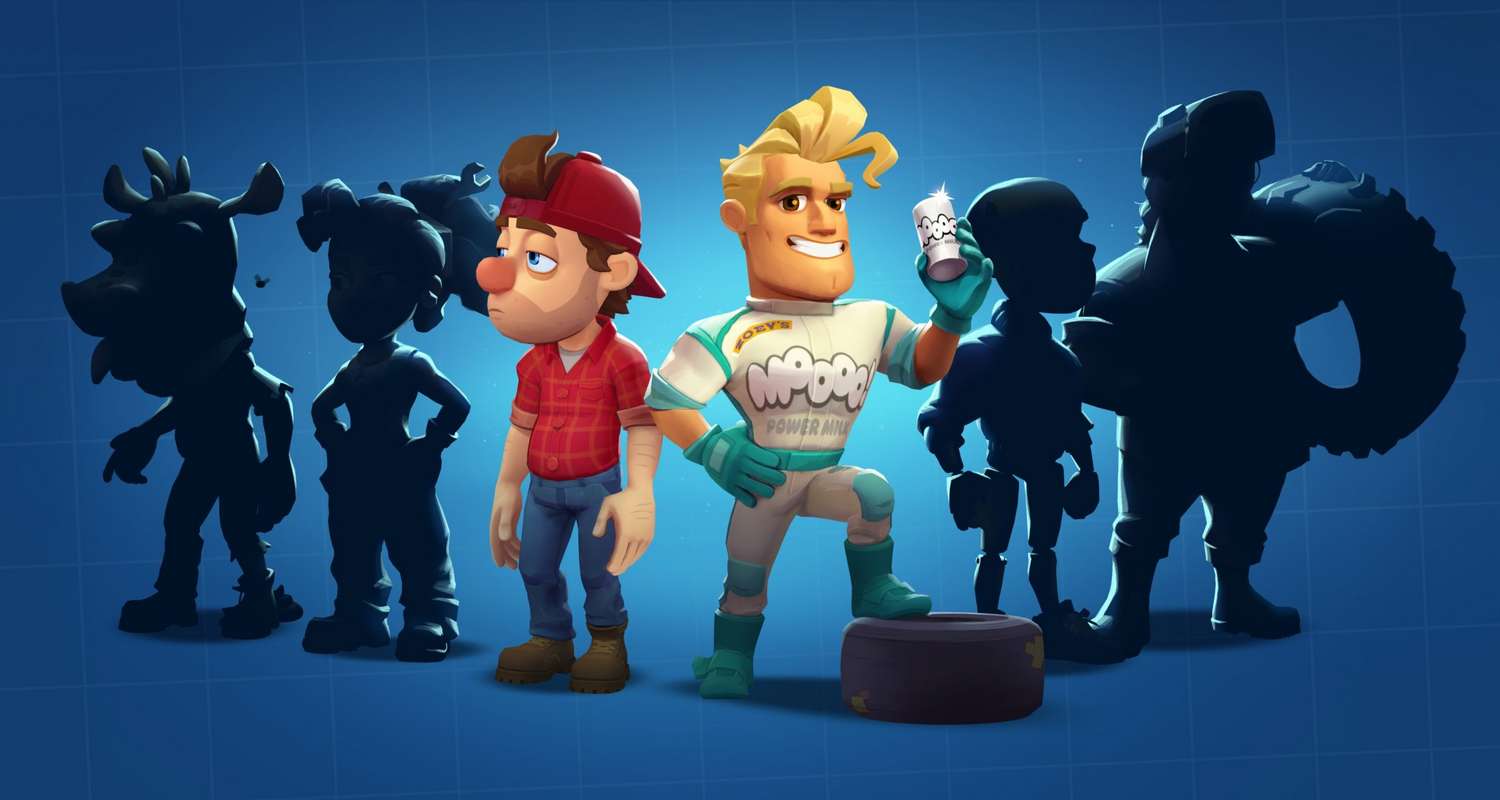 The highly anticipated sequel, Hill Climb Racing 3, from renowned Finnish developer Fingersoft, has officially entered its soft launch phase in select international regions, marking a significant milestone for one of mobile gaming’s most beloved physics-based racing franchises. This strategic early release brings with it a groundbreaking feature that fans have long clamored for: comprehensive real-time multiplayer gameplay. The introduction of competitive online modes is poised to redefine the core experience, transforming the solo ascent challenge into a vibrant, global arena where players can directly pit their driving skills and customized vehicles against others in real-time. This soft launch period serves as a crucial testing ground, allowing Fingersoft to fine-tune mechanics, optimize server performance, and gather invaluable player feedback before a full global rollout. For enthusiasts of mobile racing games and competitive gaming alike, Hill Climb Racing 3’s arrival on the scene, complete with its robust multiplayer capabilities, signals a thrilling evolution and a potential game-changer in the crowded free-to-play mobile market.
The Enduring Legacy of Hill Climb Racing
Before diving into the revolutionary aspects of the third installment, it’s essential to acknowledge the monumental impact of its predecessors. The original Hill Climb Racing, launched over a decade ago, captivated millions with its deceptively simple yet profoundly addictive physics-driven gameplay. Players navigated challenging terrains with an array of whimsical vehicles, mastering throttle and brake to avoid catastrophic flips while collecting coins. Its successor, Hill Climb Racing 2, significantly expanded on this formula, introducing asynchronous multiplayer challenges, vehicle customization, and more elaborate level designs, cementing the franchise’s status as a casual gaming powerhouse. Fingersoft expertly crafted an experience that was easy to pick up but offered deep mastery, a blend that contributed significantly to its over two billion downloads across both titles. The brand’s enduring appeal lies in its unique blend of accessible mechanics, charming aesthetics, and constant updates, features that players are now eagerly anticipating will be amplified in HCR3.
Real-Time Multiplayer: The Game-Changer for HCR3
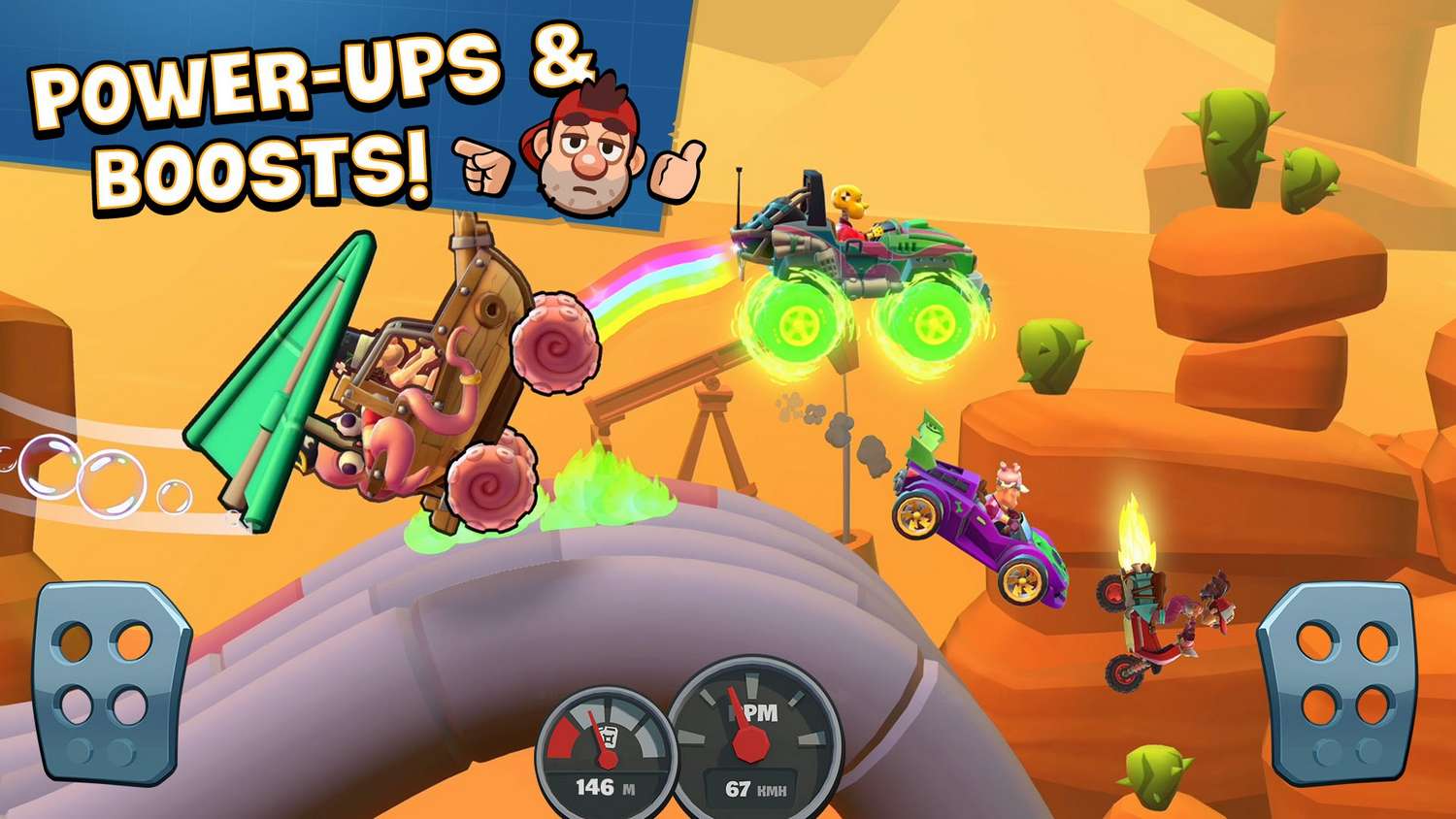
The headline feature of Hill Climb Racing 3, undoubtedly, is its integration of real-time multiplayer. This isn’t merely an incremental update; it represents a fundamental shift in the game’s competitive dynamic. Unlike the ghost races or asynchronous leaderboards of previous titles, HCR3 allows players to directly compete against live opponents, head-to-head, in exhilarating races across diverse landscapes. This inclusion elevates the game into a new category of competitive mobile titles, demanding not just mastery of physics but also strategic awareness against human adversaries. The stakes are higher, the adrenaline rush is more pronounced, and the potential for emergent gameplay scenarios is exponentially increased. High-performance gaming on mobile devices is no longer a niche, and Fingersoft is clearly aiming to capture a segment of the growing mobile esports audience with this move. The success of this feature will hinge on several critical factors: robust netcode, fair matchmaking, and compelling reward systems that incentivize consistent competitive play. The promise of direct player-versus-player (PvP) interaction could unlock unprecedented levels of player engagement and retention, making HCR3 a formidable contender in the intense mobile gaming arena.
 Enhanced Physics, Stunning Graphics, and New Content
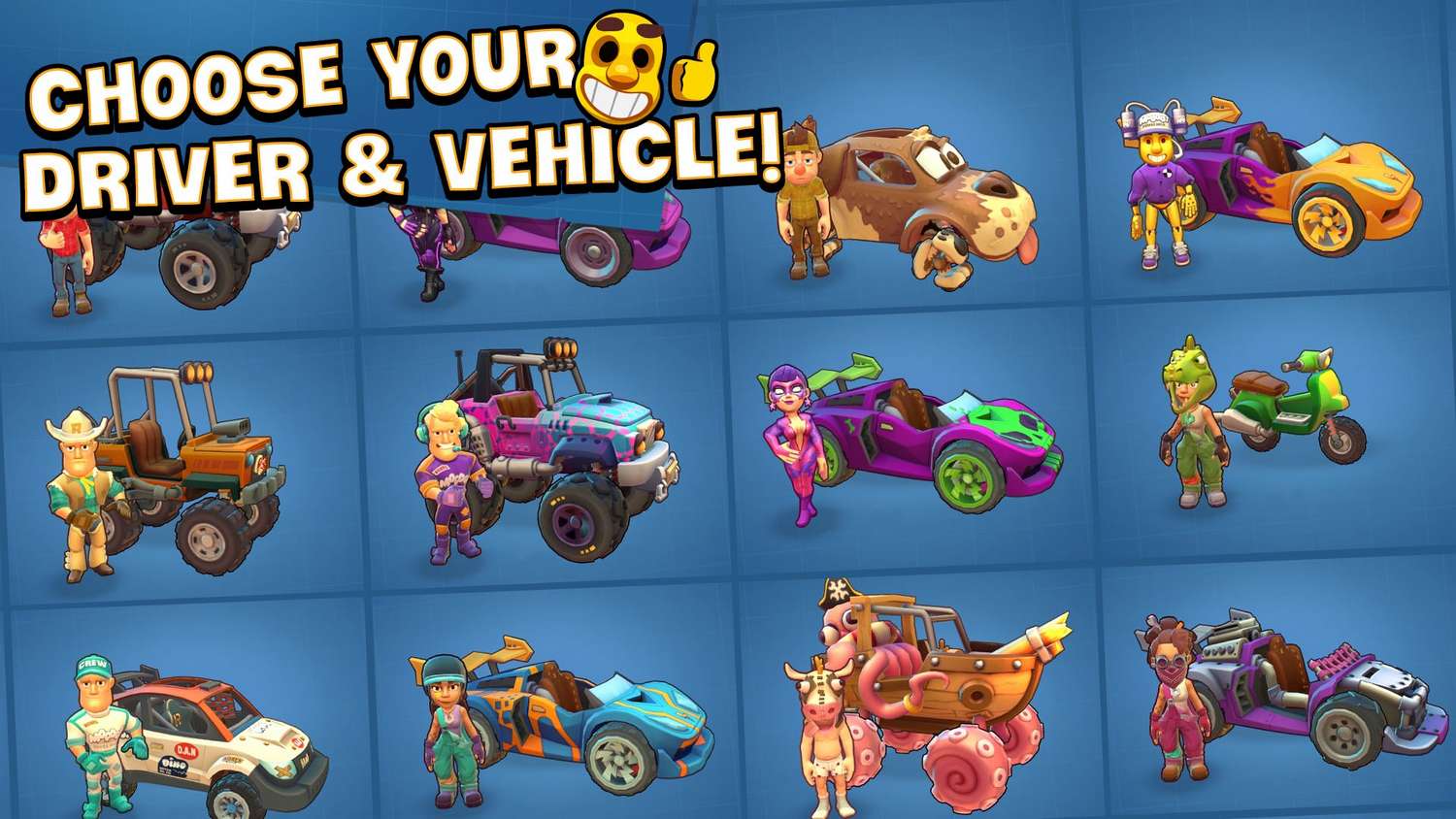
Beyond the groundbreaking multiplayer, Hill Climb Racing 3 is expected to deliver substantial improvements across its core gameplay elements. While specific details on all new features remain under wraps during this soft launch phase, early impressions suggest a refined physics engine, offering even greater nuance and control over vehicle handling. This fidelity is crucial for a game where every subtle tilt and throttle adjustment can mean the difference between victory and a spectacular crash. Visually, players can anticipate a significant upgrade in graphical fidelity, pushing the boundaries of what’s achievable on modern mobile hardware without sacrificing accessibility. Environments are likely to be more detailed, vehicles more intricately rendered, and special effects more dynamic. Furthermore, the game is expected to introduce a plethora of new vehicles, each with unique attributes and upgrade paths, alongside a diverse array of challenging tracks and landscapes. Customization options for vehicles and driver avatars are also likely to be expanded, allowing players greater personalization and expression within the game’s competitive ecosystem. These enhancements collectively aim to provide a fresh yet familiar experience for long-time fans while also attracting new players seeking a premium mobile racing experience.
The Strategic Rationale Behind a Soft Launch
Fingersoft’s decision to conduct a soft launch in select regions is a well-established practice in the modern game development industry, particularly for ambitious free-to-play titles like Hill Climb Racing 3. This phased rollout allows developers to perform critical testing in a live environment with a controlled user base. Key objectives during this period include:
- Server Load and Stability Testing: Ensuring that the backend infrastructure can handle the demands of real-time multiplayer without crashes or lag. This is paramount for a smooth competitive experience.
- Balancing Gameplay Mechanics: Identifying any overpowered vehicles, unfair track designs, or progression bottlenecks that could hinder player enjoyment and fair competition.
- Monetization Strategy Refinement: Testing the effectiveness and fairness of in-app purchases, battle passes, and other monetization models to ensure a sustainable yet player-friendly economy.
- Bug Identification and Squashing: Discovering and fixing unforeseen bugs and glitches that inevitably arise in complex software.
- Gathering Player Feedback: Directly engaging with early adopters to understand their likes, dislikes, and suggestions for improvement before a wider release.
This meticulous approach underscores Fingersoft’s commitment to delivering a polished and engaging experience upon global launch, mitigating potential issues that could mar the initial reception of such a high-profile title. The data and insights gleaned from these initial markets are invaluable for shaping the final product.
 Navigating the Free-to-Play Economy and Competitive Landscape
As a free-to-play mobile game, Hill Climb Racing 3 will undoubtedly feature various monetization strategies, similar to its predecessors and countless other successful titles in the market. Players can expect optional in-app purchases for cosmetics, vehicle upgrades, progression boosters, and potentially a battle pass system that offers both free and premium reward tiers. The challenge for Fingersoft will be to implement these systems in a way that feels fair and enhances the player experience, rather than creating a