
Final Fantasy 16 on PS5: Unpacking the Performance Woes, Exclusivity Debate, and Critical Nuances






Popular Now
 Fortnite
FIFA 23
Fortnite
FIFA 23
 BeamNG.drive
 Free Fire Max
Counter-Strike 2
Free Fire Max
Counter-Strike 2
 Genshin Impact
 CarX Street
 Poppy Playtime
 Sonic the Hedgehog™ Classic
 Auto X Drift Racing 3
 Final Fantasy 16 on PS5: Unpacking the Performance Woes, Exclusivity Debate, and Critical Nuances
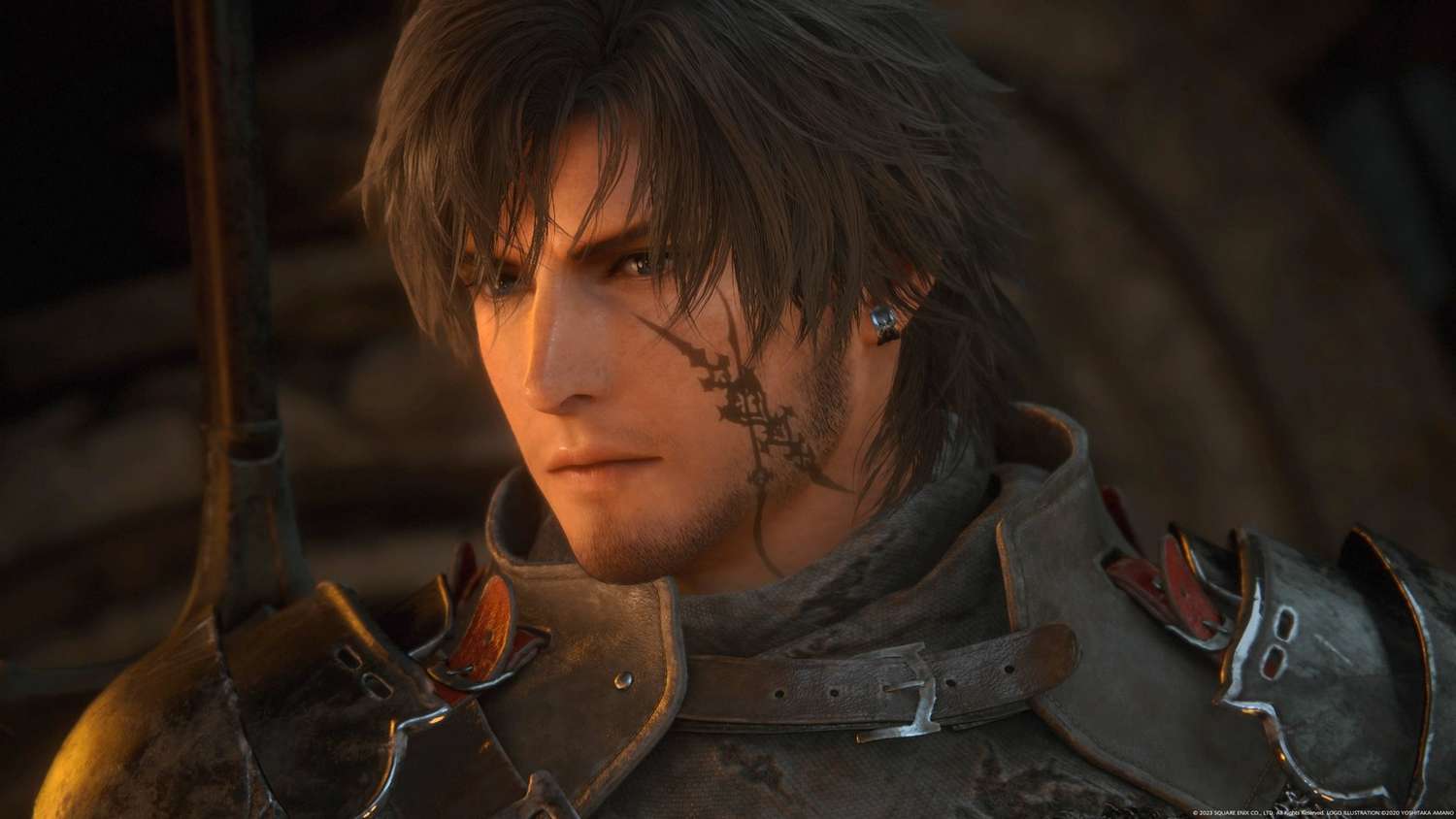
Upon its highly anticipated launch, Final Fantasy 16 (FF16) for the PlayStation 5 (PS5) was heralded as a bold new direction for Square Enix’s iconic franchise. Marketed as a mature, darker fantasy epic with a refined action combat system, the game promised a visceral, next-generation experience. However, beneath the cinematic grandeur and stunning art direction, a ‘messy truth’ quickly emerged, sparking widespread debate among players, critics, and industry analysts alike. This deep dive explores the multifaceted challenges and criticisms that have come to define FF16’s initial reception and ongoing legacy on Sony’s flagship console.
The Technical Tangle: Performance Mode’s Predicament on PlayStation 5
One of the most immediate and vocal points of contention centered on FF16’s technical performance. Despite being a PS5 exclusive, the game struggled to deliver a consistently smooth experience, particularly in its ‘performance mode’. Designed to target 60 frames per second (fps), this mode often saw significant drops, especially during intense combat sequences, busy hub areas, and large-scale boss encounters. Digital Foundry, a respected authority in technical analysis, highlighted these inconsistencies, noting that the resolution also took a substantial hit, often dipping below 1080p in ‘performance mode’ to maintain higher frame rates, albeit with limited success.
- Inconsistent Frame Rates: Frequent dips below the targeted 60fps in performance mode, impacting gameplay fluidity.
- Resolution Compromises: Dynamic resolution scaling often resulted in a noticeably softer image, particularly when prioritizing performance.
- Visual Fidelity vs. Smoothness: Players were forced to choose between a visually crisp 30fps ‘fidelity mode’ or a choppier 60fps experience, a dilemma not uncommon but particularly pronounced for a high-profile, exclusive ‘next-gen game’.
Square Enix responded with subsequent patches, aiming to improve stability and frame pacing. While these updates did offer some incremental improvements, many players still report that the game’s performance remains a noticeable drawback, preventing it from truly feeling like a polished ‘premium gaming experience’ on the powerful PS5 console. This technical snag cast a shadow over what was otherwise praised as a visually spectacular title, raising questions about optimization processes in ‘AAA game development’.
The Double-Edged Sword of PS5 Exclusivity and the JRPG Market
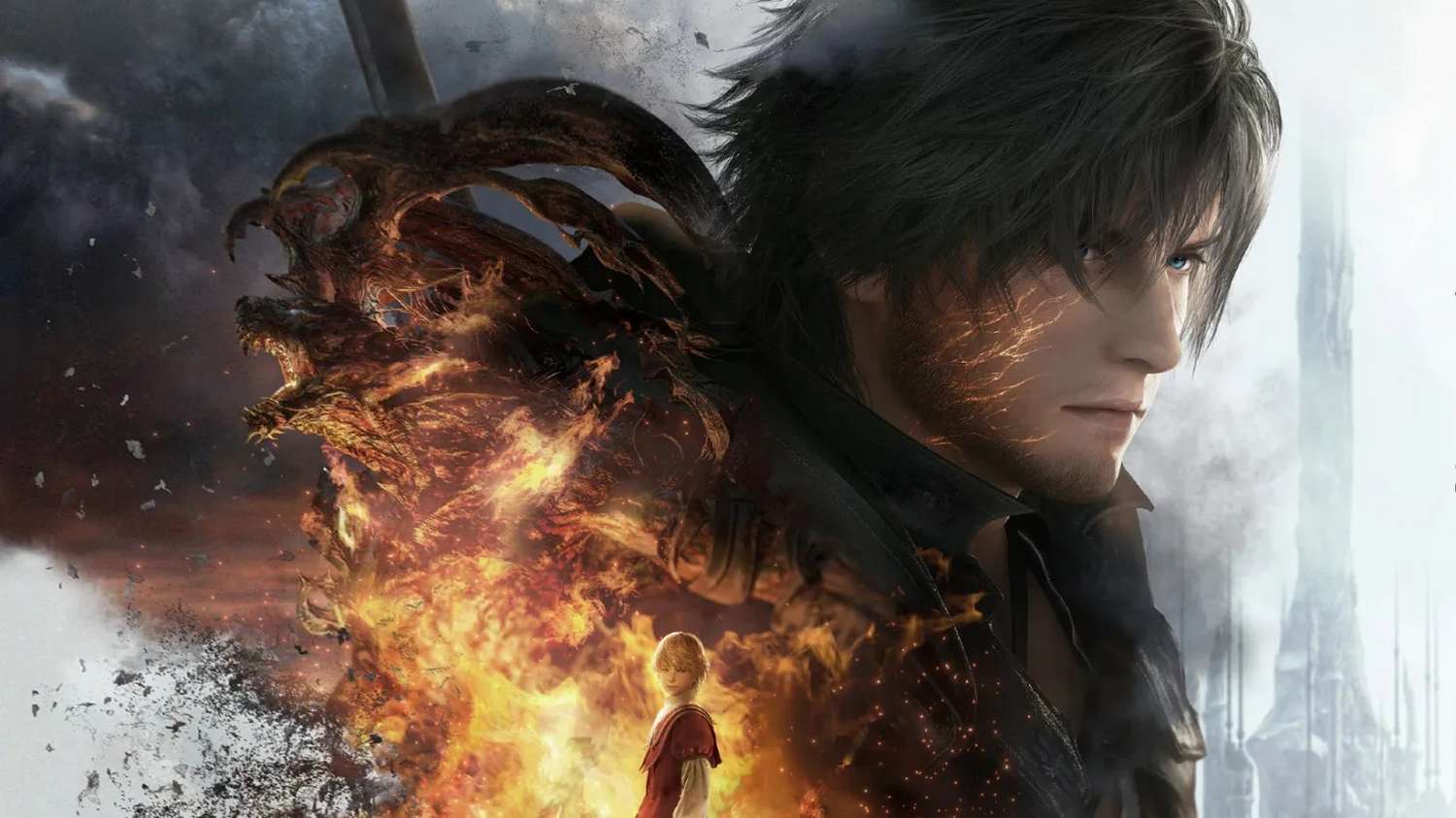
FF16’s status as a timed PlayStation 5 exclusive was a major strategic play for Sony, aiming to bolster the console’s library and attract potential buyers. For Square Enix, this partnership undoubtedly came with significant financial incentives, aiding in the game’s extensive development and marketing. However, this exclusivity also presented a complex scenario for the broader ‘gaming community’ and the future of the ‘JRPG market’.
On one hand, it allowed the development team to focus on a single hardware target, theoretically streamlining optimization. On the other, it alienated a vast player base on other platforms, most notably PC and Xbox gamers, who were eager to experience the latest mainline Final Fantasy installment. This decision sparked considerable debate about the value of console exclusives in an increasingly multi-platform world, especially for a series with such a storied history across various systems.
The upcoming PC version release date, confirmed by Square Enix, highlights the temporary nature of this exclusivity. While PC players will eventually get their hands on the game, the initial restriction undoubtedly impacted FF16’s reach and initial sales potential, raising questions about whether the benefits of the exclusivity deal truly outweighed the missed opportunities in broader market penetration. For a franchise often associated with innovation and accessibility, this strategic choice felt restrictive to some segments of its loyal fanbase.
A Paradigm Shift: Combat, Narrative, and Fan Expectations in a Modern RPG
Perhaps no aspect of FF16 generated as much discussion and division as its radical departure from traditional Final Fantasy gameplay mechanics. The title fully embraced an action-RPG combat system, spearheaded by Devil May Cry veteran Ryota Suzuki, moving away from the turn-based or hybrid systems of its predecessors. This shift aimed to create a more dynamic, real-time combat experience, emphasizing player skill, precise dodging, and spectacular Eikon abilities.
While many praised the visceral, impactful combat and the epic scale of the Eikon vs. Eikon battles as a significant strength and a hallmark of its ‘next-gen gaming’ appeal, long-time fans of the series expressed mixed feelings. Some lamented the loss of strategic depth, party customization, and traditional RPG elements like equipment management and status effects. The linearity of the experience, coupled with what some perceived as uninspired side quests, also drew criticism, especially in an era dominated by sprawling ‘open-world RPGs’.
- Action-Oriented Combat: A complete overhaul to a real-time system, praised for its spectacle but criticized for perceived loss of traditional RPG depth.
- Narrative Pacing: While the story delves into mature themes, some found the pacing inconsistent, with slow stretches punctuated by intense, cinematic moments.
- Side Quest Design: Critics pointed to repetitive and fetch-quest heavy side missions that felt out of place with the game’s otherwise serious tone and impactful main narrative.
- Accessibility: The game included robust accessibility options and story-focused modes, catering to a wider audience, which was largely praised.
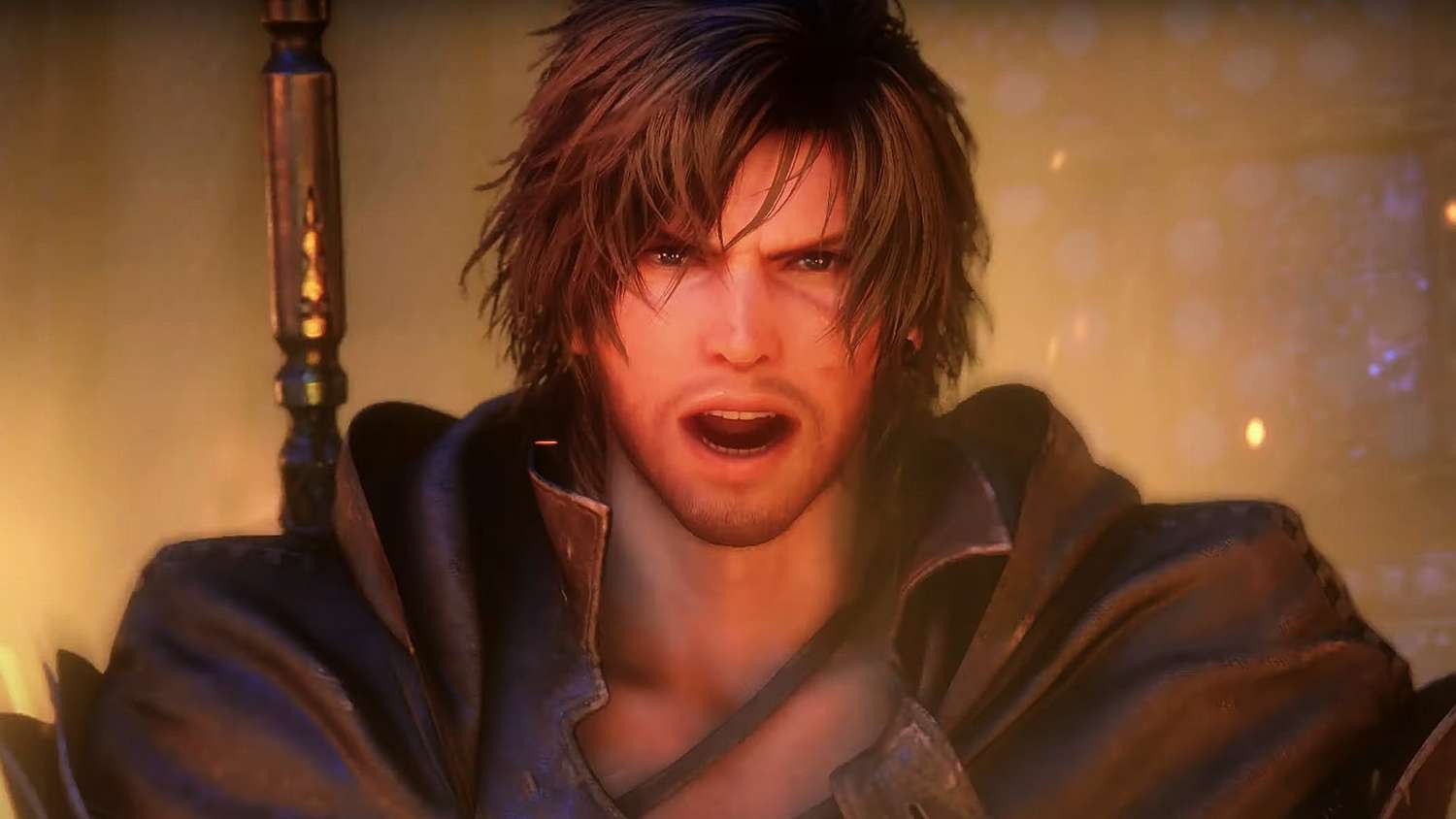
The narrative, focusing on Clive Rosfield’s journey through the war-torn realm of Valisthea, tackles themes of destiny, free will, and political intrigue with a darker tone than previous installments. While the ‘storytelling’ was often lauded for its mature approach and cinematic presentation, some felt certain characters were underdeveloped or that the narrative lost focus in its sprawling ambition. This blend of innovation and controversy highlights Square Enix’s willingness to evolve, even at the risk of alienating a segment of its dedicated fanbase.
Post-Launch Evolution and Future Prospects for Final Fantasy 16
In the months following its release, Square Enix has not rested on its laurels, actively supporting FF16 with patches and significant downloadable content (DLC). The developer has addressed some of the initial performance complaints and introduced quality-of-life improvements, such as transmog options for player gear and new arcade challenges.
Crucially, two major story expansions have been released: