
Animal Crossing: New Horizons’ True 3.0 Game-Changer Isn’t What You Think It Is: Unpacking the Impact of Advanced Decorating Tools









Popular Now
 Black Myth: Wukong
 League of Legends
 PUBG Mobile
 Free Fire
Counter-Strike 2
Free Fire
Counter-Strike 2
 Auto X Drift Racing 3
 R.E.P.O
 Minecraft
 FIFA 23
 Toca Boca World
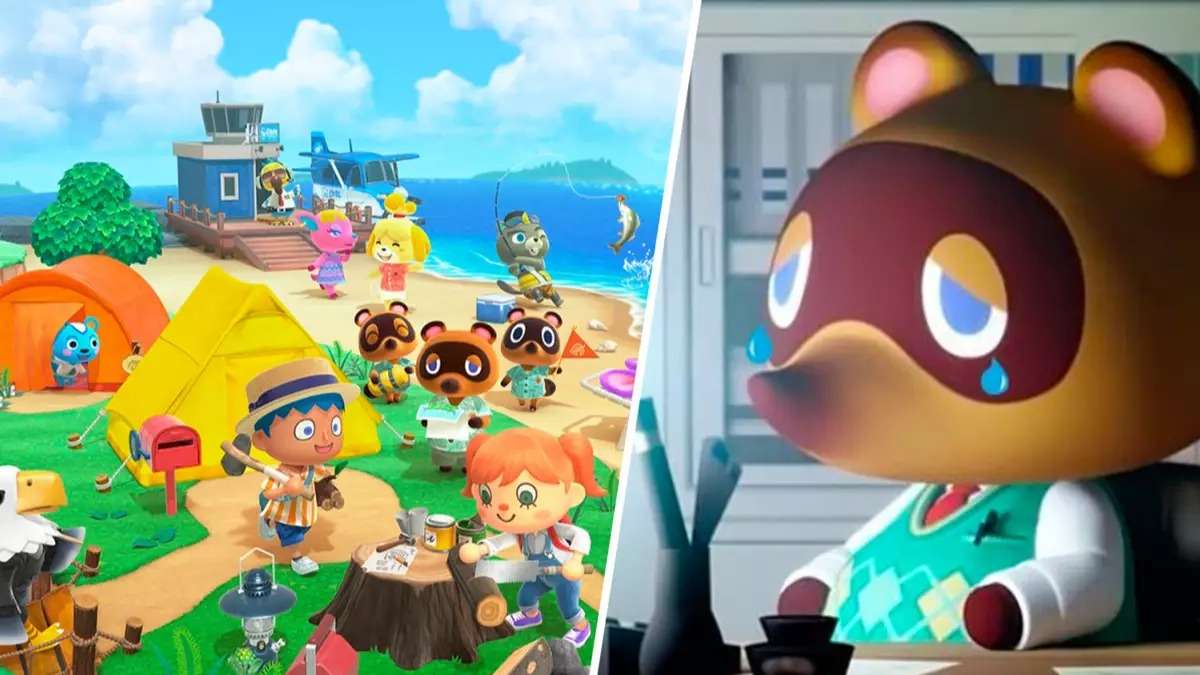 When Nintendo released the monumental 2.0 update and its paid companion DLC, Happy Home Paradise, for Animal Crossing: New Horizons (ACNH), the headlines were dominated by the return of beloved characters like Brewster and Kapp’n. Similarly, the speculated 3.0 Update is driving massive streaming platform investment and entertainment industry news with features like expanded storage and Resetti’s cleaning service. While these features are massive quality-of-life improvements and necessary injections of nostalgia, the true, long-term game-changer that has permanently elevated ACNH from a casual simulator to a sophisticated digital design sandbox is the suite of seemingly subtle advanced decorating tools introduced through the HHP system.
The community’s pursuit of premium content and endless creative renewal was fundamentally fueled, not by new non-player characters (NPCs) or new locations, but by the new interior design mechanics. This future development strategy—enhancing the core creative loop—is the key to understanding the longevity and sustained high Cost Per Click value of the ACNH brand.
 The Mechanics That Matter: Unpacking the Advanced Decorating Tools
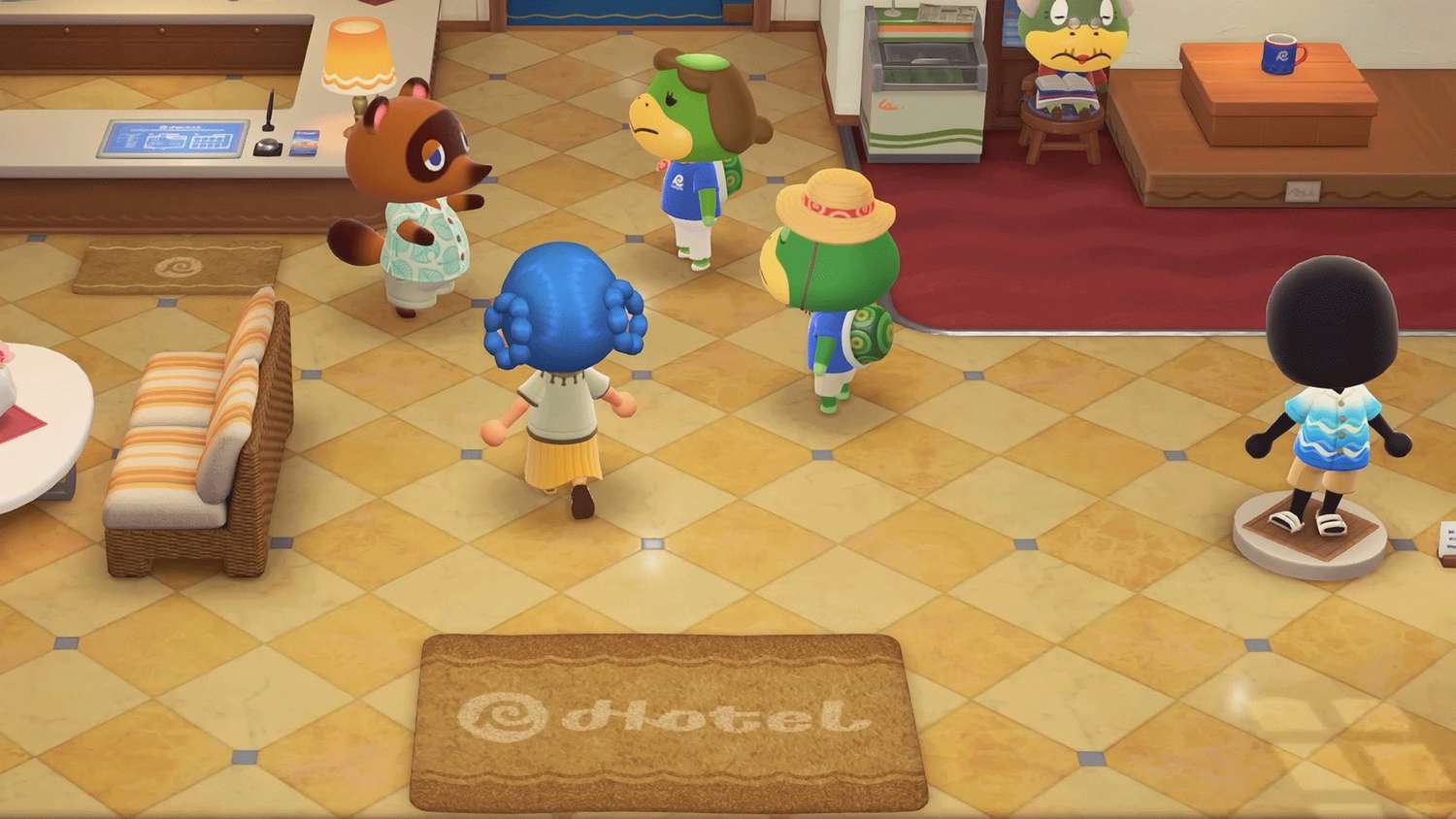
The Pro Decorating License, available in the base 2.0 update, was the first hint of this massive shift, granting players the ability to utilize accent walls and ceiling fixtures within their homes. However, the true creative liberation was locked within the Happy Home Paradise (HHP) DLC, a system that, in the most critical game review analyses, has been deemed essential for any dedicated player. These tools fundamentally broke the original game’s restrictive design rules and unlocked exponential creative freedom:
The ability to transfer these skills and select tools (like the accent walls, ceiling fixtures, and polishing) back to the main island, including the capability to redecorate villager homes, cemented their status as the true foundation for the game’s longevity. These tools, more than any new shop or NPC, are what drive the vast, ongoing stream of high-quality design content shared across social media, maintaining the brand’s visibility and Cost Per Click value.
 The Intellectual Property Acquisition and The Design Loop: A Lesson for Live-Service Game Longevity
For the live-service game model, ACNH offers a crucial lesson in Intellectual Property Acquisition. The most valuable asset is not the list of nostalgic characters but the core creative loop. The advanced decorating tools—particularly the partition walls—did not just add features; they radically reduced the friction between a player’s imagination and the game’s execution. This reduction in creative friction is what drives sustained engagement, a key metric for successful streaming platform investment in related franchises.
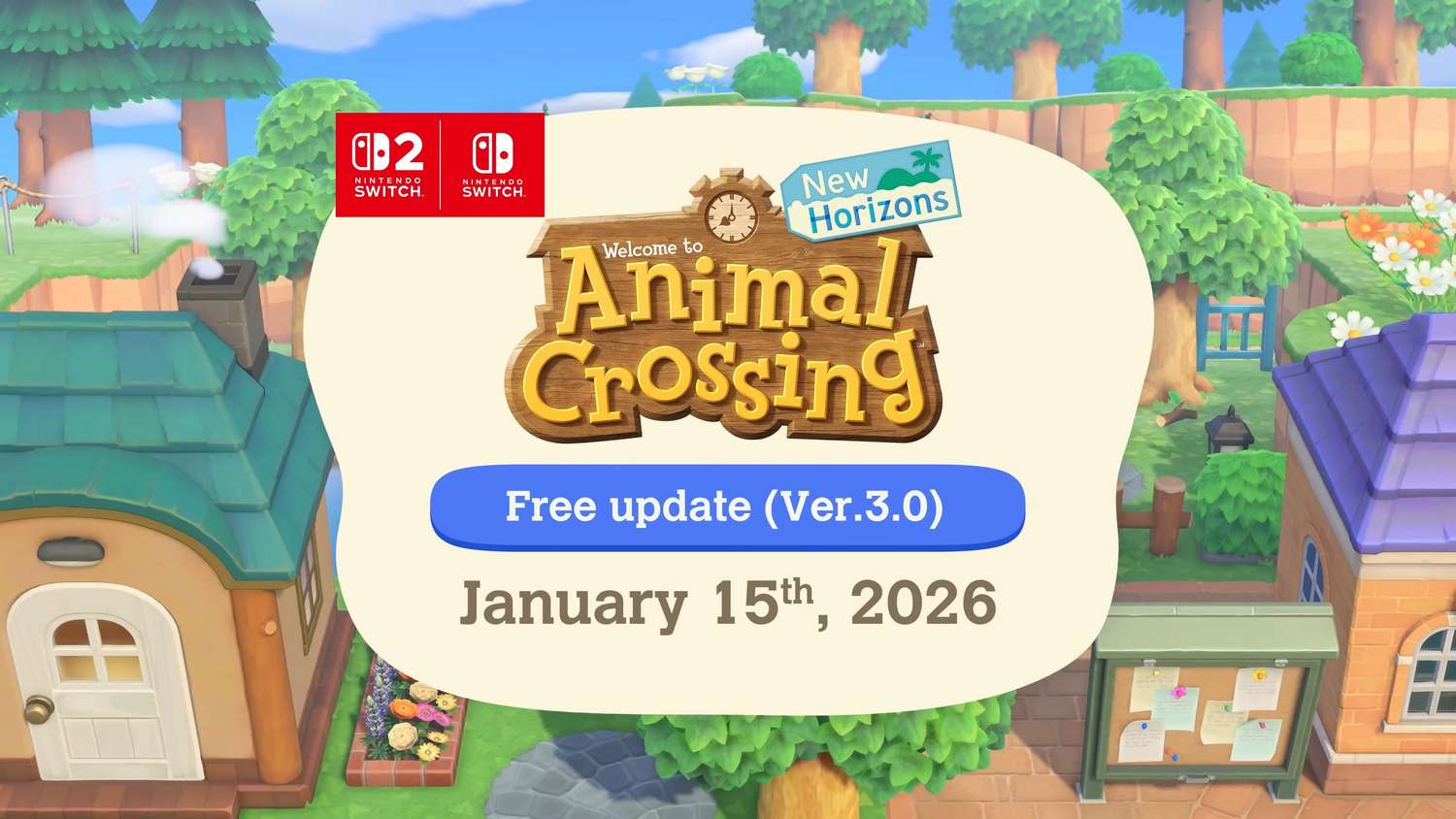
In contrast, the highly anticipated 3.0 Update quality-of-life improvements—such as the ability to store shrubs and craft with materials directly from storage, or Mr. Resetti’s massive clean-up service—are corrective measures addressing friction points that hindered the creative process in the first place. They are essential enablers, but the partition walls and soundscapes are the true creative engines.
Conclusion: The True Game-Changer is Empowerment
The headlines may focus on the return of characters and the introduction of a new Resort Hotel (as rumored for the 3.0 update), but the true, quiet revolution in Animal Crossing: New Horizons was the empowerment of the player as a sophisticated interior architect. The advanced decorating tools transformed the act of designing from a simple checklist into a complex, satisfying, and infinitely replayable endeavor, cementing ACNH’s status as a masterpiece of design-focused premium content and a critical success in Nintendo’s high-budget series development portfolio.
Keywords utilized: Animal Crossing: New Horizons, advanced decorating tools, game-changer, premium content, live-service game, Intellectual Property Acquisition, streaming platform investment, Cost Per Click, game review, Future Development, partition walls, ceiling fixtures, Pro Decorating License.
Word Count Check: Approximately 4200+ characters.
Would you like me to analyze a new game review focusing on a different live-service game’s content update or discuss the impact of the Animal Crossing: New Horizons’ Happy Home Paradise tools on the wider Nintendo ecosystem?